Blog

  • Homemade Marshoosheh (Lebanese)

    Homemade Marshoosheh (Lebanese)

    Craving a simple, flavorful Lebanese vegetarian dish that’s budget-friendly and fast to make? Marshoosheh is your answer. This traditional Lebanese sauté combines tender cabbage with wheat (bulgur), onions, and spices for a comforting dish.
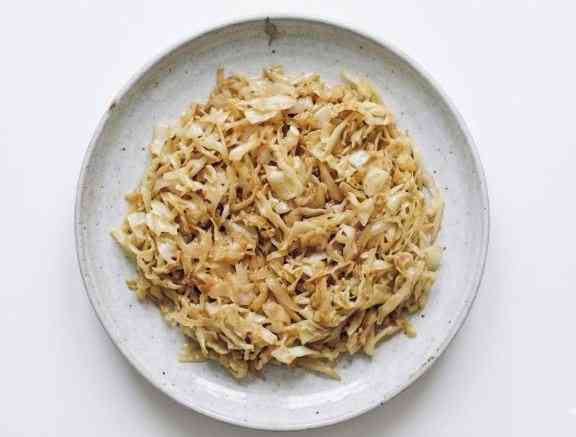
    Marshoosheh recipe

    What Is Marshoosheh?

    Marshoosheh is a common peasant food in Lebanon that uses very simple ingredients but is still deeply satisfying. The name comes from the Arabic word meaning “sprinkled,” which perfectly describes how the cracked wheat (bulgur) looks scattered throughout the sautéed cabbage.

    What makes marshoosheh so special is how it’s still rich in flavor despite being made from a handful of basic ingredients. The cabbage becomes sweet and tender as it cooks down, the bulgur adds texture, while the onions and chili powder provide depth and warmth, which ties everything together.

    You’ll find marshoosheh served both as part of a mezze spread alongside other vegetarian dishes, or as a simple main course with warm pita bread and perhaps a side of yogurt or pickles.

    If you love this marshoosheh recipe, you’ll probably also enjoy Mujadara (lentils and rice with caramelized onions), Lebanese Green Beans in Olive Oil (Loubieh bi Zeit), Fatteh (layered dish with crispy bread and yogurt), Batata Harra (spicy potatoes), and of course, fresh Lebanese Oregano Salad (Salatet Zaatar Akhdar).

    Marshoosheh Recipe Ingredients

    Vegetables

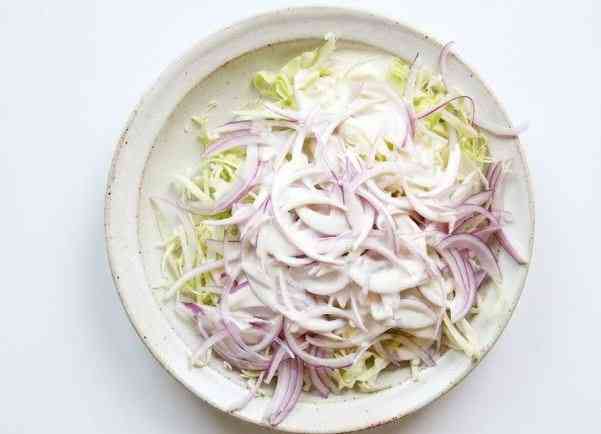
    1/2 head green cabbage, sliced lengthwise – The star of the show! Green cabbage becomes sweet and tender when cooked, losing its raw bite while developing deep, caramelized flavors. Slice it lengthwise (following the natural lines of the leaves) into strips about 1-2 inches wide. The cabbage will shrink significantly as it cooks.

    1 large onion, chopped – Yellow or white onions work beautifully here. They add sweetness and aromatic depth as they soften and caramelize slightly in the olive oil. Chop them into medium dice—not too fine, as they’ll break down during cooking.
    Grains and Seasonings

    2 tablespoons cracked wheat (bulgur) – This is what gives marshoosheh its distinctive texture and nutty flavor. Bulgur is dried, cracked wheat that’s been partially cooked, so it softens quickly when simmered with the vegetables.

    1/2 to 1 teaspoon hot chili powder or cayenne pepper – This brings warmth and a gentle kick to the dish. Traditional marshoosheh has some heat, but adjust according to your preference. Start with 1/2 teaspoon if you’re heat-sensitive; go for a full teaspoon if you like spice. You can also use Aleppo pepper for an authentic Middle Eastern flavor.

    1/2 teaspoon salt – Essential for bringing out the sweetness of the cabbage and balancing all the flavors. You may need to adjust depending on how salty your other ingredients are.

    Cooking Oil

    5-7 tablespoons olive oil – This is Lebanese cooking, so don’t skimp on the olive oil! It’s not just cooking fat—it’s a flavor ingredient that enriches the entire dish.

    The generous amount of oil helps the vegetables caramelize beautifully and gives the bulgur a silky texture. Use regular olive oil rather than extra virgin for cooking; save the fancy stuff for finishing.

    Liquid

    1/4 cup water – Just enough moisture to help steam the cabbage and bulgur, ensuring everything cooks through without burning. The water mostly evaporates, leaving behind concentrated flavors.

    How to Make Marshoosheh (Cabbage and Cracked Wheat Sauté)

    Step 1: Sauté the onions

    Heat the 5-7 tablespoons of olive oil in a large frying pan or cooking pot over medium heat. Add the chopped onion and sauté for about 5 minutes, stirring occasionally, until the onions start to soften and turn translucent. You want them lightly golden and fragrant, not browned.

    Step 2: Add the cabbage

    Add the sliced cabbage to the pan with the onions. Using tongs or a wooden spoon, mix everything together well so the cabbage gets coated with the oil and starts to wilt. At first, the pan will seem very full, but the cabbage will shrink dramatically as it cooks. Keep stirring for 2-3 minutes until the cabbage starts to soften.

    Step 3: Season and add the bulgur

    Add the 1/2 teaspoon salt and 1/2 to 1 teaspoon chili powder (or cayenne pepper) to the cabbage mixture. Sprinkle the 2 tablespoons of cracked wheat (bulgur) over everything. Mix well so the bulgur and spices are evenly distributed throughout the cabbage. The bulgur should look “sprinkled” throughout—hence the name marshoosheh!

    Step 4: Add water and simmer

    Pour the 1/4 cup of water over the mixture and stir everything together one more time. Cover the pot with a lid, reduce the heat to low-medium, and let it simmer for 10-15 minutes. Check and stir occasionally to prevent sticking and ensure even cooking.

    Step 5: Check for doneness

    After 10-15 minutes, the cabbage should be completely tender but not mushy, the bulgur should be soft and chewy, and most of the liquid should be absorbed. Taste and adjust seasoning-you might want a bit more salt or spice.

    Step 6: Serve

    Marshoosheh can be served hot straight from the pan, at room temperature, or even cold. Transfer to a serving platter and serve with warm pita bread. Some people like to drizzle a little extra olive oil on top before serving.

    Additions and Substitutions

    Cabbage substitute: Red cabbage works beautifully and adds gorgeous color, though it will turn everything slightly purple. Napa cabbage cooks faster and has a more delicate flavor. In a pinch, you could even use thinly sliced Brussels sprouts.

    Bulgur substitute: If you can’t find bulgur, quinoa makes a decent substitute (though it’s not traditional). Use the same amount, and it will cook in about the same time. Steel-cut oats could also work in a pinch, though you might need to add a bit more water and cook longer.

    Chili powder substitute: Aleppo pepper is more authentic and has a fruity, complex heat. Crushed red pepper flakes work too. If you don’t like heat at all, you can skip it, though the dish will be less interesting.

    Olive oil substitute: Any neutral cooking oil works, but you’ll lose some of that characteristic Lebanese flavor. Avocado oil or vegetable oil are fine options.

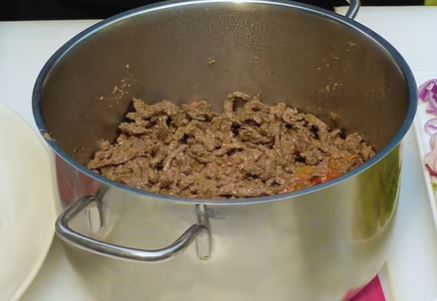
    Add protein: For a heartier meal, add cooked chickpeas or white beans in the last 5 minutes of cooking. Some people add ground lamb or beef when sautéing the onions for a non-vegetarian version.

    Add more vegetables: Diced tomatoes, bell peppers, or carrots can be sautéed with the onions for extra color and nutrition.
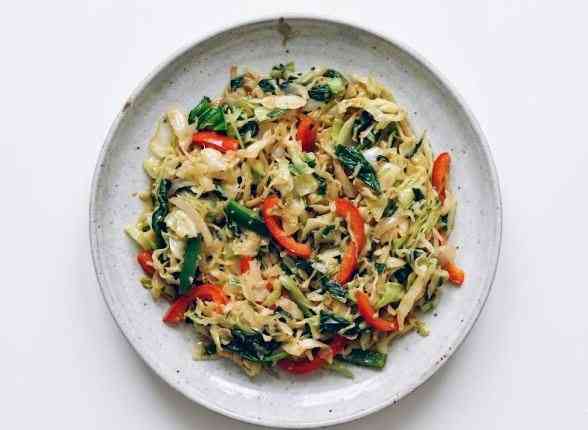
    Add spices: Some cooks add minced garlic along with the onions, or finish the dish with fresh lemon juice for brightness.

    Make it sweeter: A pinch of cinnamon or a drizzle of pomegranate molasses adds a sweet-tart note that some Lebanese families love.

    Add pine nuts: Toast some pine nuts and sprinkle on top before serving.

    Behind the Marshoosheh Recipe

    I first encountered marshoosheh at a friend’s Lebanese grandmother’s house, where she made it on what she called a “nothing in the fridge” day. She apologized for serving such “simple food,” but when I tasted it, I was blown away. How could something made from cabbage, onions, and a handful of bulgur taste so incredibly good?

    She laughed at my surprise and explained that marshoosheh is exactly the kind of dish Lebanese mothers have been making for generations when they need to feed their families on a tight budget. “We Lebanese know how to make the most of little,” she said with pride. “Good olive oil, the right spices, and a little patience-that’s all you need.”

    I’ve made marshoosheh countless times since then, often when I’m trying to use up that half-head of cabbage wilting in my fridge or when I need a quick vegetarian option that doesn’t feel like a compromise. And the best part is that it’s “cheap”.

    Marshoosheh Recipe Frequently Asked Questions

    Can I make marshoosheh ahead of time?

    Absolutely! Marshoosheh actually tastes even better the next day as the flavors continue to develop. You can make it up to 3 days in advance and store it covered in the refrigerator. Serve it cold, at room temperature, or reheat it gently on the stovetop or in the microwave.

    Is marshoosheh supposed to be spicy?

    Traditional marshoosheh has some warmth from chili powder or cayenne pepper, but it’s not extremely spicy—just pleasantly warm. The heat level is easily adjustable to your preference. Start with less and add more as needed, or skip it entirely if you prefer no heat.

    Can I serve this as a main dish?

    Yes! While marshoosheh is often served as part of a mezze spread or as a side dish, it’s substantial enough to be a main course, especially when served with pita bread, yogurt, and perhaps a simple salad. It’s a complete meal with vegetables, whole grains, and healthy fats.

    How do I reheat leftover marshoosheh?

    Reheat it gently in a covered pan on the stovetop with a splash of water or in the microwave. You can also enjoy it cold straight from the fridge-many Lebanese people prefer it this way.

    Why is my marshoosheh watery?

    You may have added too much water, or the heat was too low so the liquid didn’t evaporate properly. Next time, use just 1/4 cup of water and make sure the heat is at medium-low so there’s a gentle simmer. Remove the lid for the last few minutes if you need to evaporate excess liquid.

    Can I freeze marshoosheh?

    While you can freeze it for up to 2 months, the texture of the cabbage may become softer upon thawing. It’s best enjoyed fresh or refrigerated for a few days rather than frozen.

    Want more simple, delicious Lebanese vegetarian dishes?

    Mujadara – Lentils and rice with crispy caramelized onions, another budget-friendly Lebanese classic.

    Lebanese Green Beans (Loubieh bi Zeit) – Green beans slowly cooked in olive oil with tomatoes and onions.

    Batata Harra – Spicy Lebanese potatoes with garlic, cilantro, and chili.

    Fatteh – Layers of crispy pita, chickpeas, yogurt, and pine nuts.

    Tabbouleh – Fresh herb salad with bulgur, tomatoes, and lemon.

    Fattoush – Crunchy bread salad with sumac dressing and fresh vegetables.

    Hummus – Creamy chickpea dip, perfect alongside marshoosheh.

    Marshoosheh recipe

    Marshoosheh Recipe

    A delicious Lebanese vegetarian dish made of sautéed cabbage with bulgur (cracked wheat), onions, and spices.
    Total Time 25 minutes
    Servings: 4
    Course: Appetizer, Side Dish
    Cuisine: lebanese

    Ingredients
      

    • 1/2 head green cabbage sliced lengthwise into 1-2 inch strips
    • 1 large onion chopped
    • 5-7 tablespoons olive oil
    • 2 tablespoons cracked wheat bulgur/burghul*
    • 1/2 to 1 teaspoon hot chili powder or cayenne pepper adjust to taste
    • 1/2 teaspoon salt
    • 1/4 cup water

    Method
     

    1. Sauté the chopped onion in olive oil over medium heat until soft and translucent.
    2. Add the sliced cabbage and cook until it begins to wilt.
    3. Stir in the salt, chili powder, and cracked wheat (bulgur).
    4. Pour in the water, cover, and simmer on low-medium heat for 10–15 minutes, stirring occasionally.
    5. Cook until the cabbage is tender, the bulgur is soft, and most of the liquid is absorbed.
    6. Serve hot, warm, or cold with pita bread and optional extra olive oil.
    Notes

    Bulgur (also spelled burghul) is dried, cracked wheat available at Middle Eastern grocery stores or in the international section of most supermarkets. It is essentially wheat that’s been parboiled, dried, and cracked. Look for medium or coarse bulgur for this recipe.
  • Easy Lebanese Beef Shawarma Recipe

    Easy Lebanese Beef Shawarma Recipe

    You can create authentic Lebanese beef shawarma in your own kitchen, and it’s surprisingly simple. With the right marinade and technique, you’ll have restaurant-quality shawarma that rivals anything you’d get from a street vendor.

    Lebanese Beef Shawarma recipe

    What is Lebanese Shawarma?

    Shawarma is one of the most common Middle Eastern dishes in the world, right alongside falafel and hummus.

    It consists of thinly sliced, deeply marinated meat – traditionally beef, lamb, or chicken – stacked on a vertical rotisserie spit and slowly cooked for hours as it turns against a gentle, consistent heat.

    The outer layer gets beautifully caramelized and slightly charred, and as it’s shaved off, fresh layers are exposed to continue the process.

    The meat is then wrapped in warm pita bread with other additional ingredients. For beef shawarma specifically, this typically includes tahini sauce, roasted tomatoes, chopped parsley, crispy French fries, and pickles.

    Shawarma vs Greek gyros

    People often confuse shawarma with Greek gyros, and while they have the same cooking method (vertical rotisserie), the flavors are quite different:

    Spice Profile: Shawarma uses a complex blend of warm Middle Eastern spices – cinnamon, cardamom, nutmeg, cloves, cumin, and coriander. Gyros typically uses a simpler blend of Mediterranean herbs like oregano, with less emphasis on warm spices.

    Meat Preparation: Shawarma meat is marinated for many hours (often overnight) in a mixture of spices, citrus, and vinegar before cooking. Gyros meat is usually seasoned but not marinated as extensively.

    Accompaniments: Shawarma is served with tahini sauce (for beef) or toum/garlic sauce (for chicken), pickles, tomatoes, parsley, and often French fries. Gyros comes with tzatziki sauce, tomatoes, onions, and sometimes fries, but the overall flavor profile is distinctly Greek rather than Levantine.

    Lebanese Beef Shawarma Ingredients

    The beauty of making shawarma at home is that you can control the quality of every ingredient. Here’s what you’ll need, with detailed notes about each component. For exact measurements, see the recipe card below.

    Meat Selection for Beef Shawarma

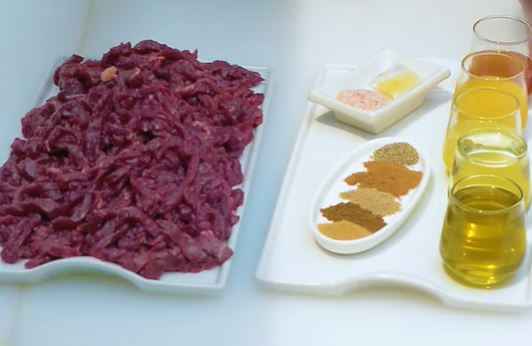
    Beef (2 lbs): This is the most important ingredient, so choose wisely. You want a cut with good marbling and fat content – the fat is crucial for flavor and moisture. Good options include:

    • Ribeye steak (excellent choice for nice flavor)
    • Chuck roast (very affordable)
    • Sirloin steak (leaner but still good)
    • Beef shoulder roast (great for the oven method)

    Avoid lean cuts like tenderloin or round steak – they’ll dry out and won’t have the rich flavor you want. The photos in this recipe show a roast cut, but you can use any well-marbled steak cut.

    Can you mix meats? Absolutely! Some people like to mix beef with lamb leg meat for a more complex flavor. A 50/50 or 70/30 beef-to-lamb ratio works beautifully.

    Marinade Ingredients

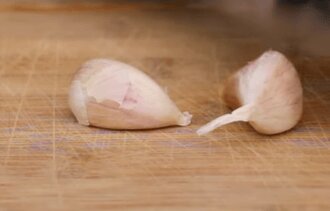
    Garlic (5 cloves): Fresh garlic is essential. It provides pungency and depth that garlic powder simply can’t match.

    Lemon juice (½ cup): Fresh is best. The acidity helps tenderize the meat and brightens all the spices. This is a generous amount – it might seem like a lot, but it’s necessary for authentic flavor.

    Apple cider vinegar (¼ cup): Adds another layer of acidity and helps tenderize the meat. The slight fruitiness complements the warm spices beautifully.

    Olive oil (¼ cup): Use a good quality olive oil. Important: Do NOT blend this with the other marinade ingredients (see the process section for why).
    Salt (1 teaspoon): Essential for seasoning and helping the marinade penetrate the meat.

    The Spice Blend

    This is what makes shawarma truly special. The combination might seem unusual if you’re not familiar with Middle Eastern cooking, but trust the process:

    Lebanese Beef Shawarma ingredients

    Cloves (1 teaspoon): Whole or powdered. Provides warmth and a slight sweetness with aromatic depth.

    Cumin (½ teaspoon): A quintessential Middle Eastern spice with earthy, slightly nutty notes.

    Caraway (½ teaspoon): Adds a subtle licorice-like flavor that’s characteristic of Levantine cooking.

    Cardamom (½ teaspoon, powdered): Brings floral, citrusy notes that make the blend complex and memorable.

    Oregano or thyme (½ teaspoon): Dried or fresh. Adds herbaceous notes. Oregano is more traditional, but thyme works well too.

    Cinnamon (½ teaspoon): Might seem odd in a savory dish to Western palates, but it’s absolutely essential in shawarma. It adds warmth without making it taste “sweet.”

    Nutmeg (½ teaspoon): Another warm spice that rounds out the blend beautifully.

    Peppercorn (½ teaspoon): Use whole peppercorns if possible and blend them with the marinade. Adds gentle heat and aromatics.

    Chili powder (¼ teaspoon): Just enough to add subtle heat. This isn’t meant to be a spicy dish, so keep it moderate.

    Ground ginger (¼ teaspoon): Adds brightness and a slight zing that complements the other warm spices.

    Tahini Sauce Ingredients

    The sauce is crucial – it ties everything together:

    Tahini paste (2 teaspoons): This is ground sesame seed paste. Make sure to stir your tahini well before measuring, as it separates in the jar.

    Lemon juice (1 cup): Yes, a full cup! Tahini sauce is meant to be tangy and thin enough to drizzle easily.

    Garlic (3 cloves): Provides a sharp, pungent kick that cuts through the richness.

    Salt (1 teaspoon): Balances the flavors.

    Sandwich

    Pita bread (1 loaf): Lebanese pita is thinner than Greek pita. Look for it at Middle Eastern markets, or use whatever pita you can find.

    Italian parsley (½ cup, finely chopped): Flat-leaf parsley only – it’s traditional and has better flavor than curly parsley.

    Tomato (1 small, roasted or grilled): Grilling or roasting the tomato adds a smoky sweetness that’s worth the extra step.

    French fries (½ cup): This might surprise you if you haven’t had Middle Eastern shawarma before, but fries in the wrap are absolutely traditional and add incredible texture.

    Lebanese pickles: This is important. Look for Lebanese or Middle Eastern pickles at specialty stores – they’re typically pickled cucumbers with a distinctive flavor.

    How to Make Lebanese Beef Shawarma

    Making shawarma at home is a two-day process, but the hands-on time is minimal.

    Day one is all about preparing and marinating the meat.

    Day two is cooking and assembly.

    Preparing the Marinade

    Step 1: Cut your beef into chunks approximately 3-4 inches in length and no more than ⅔ inch in thickness. This size is crucial – too small and the meat will dry out, too large and it won’t cook evenly (especially with the panini grill method).

    Step 2: In a blender (a Magic Bullet or similar small blender works perfectly for this), combine all the spices with the lemon juice and apple cider vinegar. Blend for 1-2 minutes until you have a smooth, fragrant marinade.

    Step 3: Here’s the important part: Do NOT add the olive oil to the blender. When olive oil is blended with acidic ingredients, it emulsifies and creates a thick mixture that somehow masks the flavors rather than enhancing them. I’m not entirely sure why this happens, but I’ve tested it both ways multiple times, and keeping the oil separate definitely yields better results.

    Step 4: Place the beef chunks in a large bowl or container. Pour the blended marinade over the meat and use your hands to rub it thoroughly into every piece, making sure all surfaces are coated.

    Step 5: After rubbing in the marinade, drizzle the olive oil over the top and give it one more gentle massage to distribute the oil. The oil will coat the meat and help seal in the marinade.

    Step 6: Cover the container tightly and refrigerate overnight, or for at least 8-12 hours. This long marination is essential – it allows the spices to penetrate deeply and the acids to tenderize the meat. If you can marinate for 24 hours, even better.

    Step 7: During marination, if you think of it, give the meat a stir or flip the pieces once or twice to ensure even coverage. This isn’t essential, but it helps.

    Cooking Method 1: Panini Grill (Faster)

    Step 8: Remove the marinated beef from the refrigerator about 20 minutes before cooking to take the chill off.

    Step 9: Preheat your panini press or George Foreman grill to medium-high heat. You want it nice and hot to get good caramelization.

    Step 10: Lay the marinated chunks on the grill in a single layer. Close the lid and cook for 10-15 minutes. The exact time will depend on your grill’s heat and the thickness of your meat. You want the meat cooked through with nice char marks, but still juicy inside.

    Step 11: Remove from the grill and let rest for 5 minutes on a cutting board, then use a sharp knife to shred or thinly slice the meat, mimicking the way shawarma is shaved from the spit.

    Why this method works: The panini grill method yields meat with more char and a slightly smoky, grilled flavor that closely mimics the exterior of spit-roasted shawarma. It’s faster and creates beautiful caramelization. However, the meat can be slightly less tender than the oven method.

    Cooking Method 2: Oven Roasting (More Tender, Juicier)

    Step 12: Preheat your oven to 270-300°F. This low-and-slow approach is key.

    Step 13: Place the marinated beef chunks in a Pyrex or other oven-safe dish. Pour a few tablespoons of the marinade that’s accumulated in the bottom of the container over the meat.

    Step 14: Cover the dish tightly with aluminum foil, creating a seal. This traps steam and moisture, essentially braising the meat.

    Step 15: Roast for 2 hours. The long, gentle cooking breaks down connective tissue and makes the meat incredibly tender.

    Step 16: Remove from the oven and let rest for 10 minutes. The meat should be so tender it nearly falls apart when you try to shred it. Shred or slice thinly on a cutting board.

    Why this method works: The oven method produces exceptionally juicy, tender meat that practically melts in your mouth. It’s more forgiving and harder to overcook. The trade-off is less char and caramelization compared to the grill method. Some people like to finish oven-roasted shawarma under the broiler for 2-3 minutes to add some char.

    Making the Tahini Sauce

    Step 17: In a blender, combine the tahini paste, garlic, lemon juice, and salt. Blend until smooth. The mixture will seize up and become very thick at first – this is normal.

    Step 18: As you continue blending, the sauce will suddenly loosen and become smooth and pourable. If it’s too thick, add a tablespoon or two of water. The final consistency should be like heavy cream – thick enough to coat but thin enough to drizzle.

    Making The Shawarma Wrap

    Step 19: Warm your pita bread. You can do this in a dry skillet, over an open flame (if you have a gas stove), or wrapped in foil in a low oven. Warm pita is pliable and wraps better.

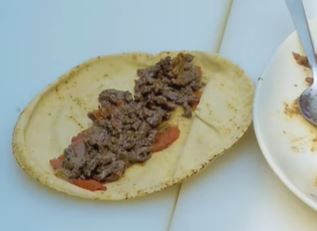
    Step 20: Lay the pita on a flat surface. Place 4-6 ounces of shredded shawarma meat along the diameter of the bread (horizontally across the middle).

    Step 21: Drizzle generously with tahini sauce – don’t be shy! The sauce is what makes everything come together.

    Step 22: Add your toppings: roasted or grilled tomato slices, a handful of crispy French fries, Lebanese pickles, and a generous sprinkle of chopped parsley.

    Step 23: To wrap, fold the bottom edge up over the filling, then fold in the sides, and continue rolling tightly into a cylinder. If you’re serving immediately, you can wrap the bottom half in aluminum foil or parchment paper to hold it together and catch any drips (this is how it’s done on the streets of Beirut).

    Step 24: Serve immediately while everything is hot and the textures contrast beautifully.

    If you like my beef sharwarma recipe, then you should also check out my vegan kibbeh and meat pies.

    Frequently Asked Questions

    Can I make this with chicken instead of beef?

    Absolutely. Chicken shawarma is just as popular as beef. Use boneless, skinless chicken thighs (not breasts – they’re too dry). The marinade and cooking time will need to be adjusted. Check out our dedicated Chicken Shawarma Recipe for the best results.

    Do I really need all those spices?

    While you can make a simplified version, each spice plays a role in creating the authentic, complex flavor of Lebanese shawarma. If you must substitute, the absolutely essential spices are cumin, cinnamon, cardamom, and cloves. But I encourage you to use the full blend – you won’t regret it.

    Can I use a regular outdoor grill?

    Yes! In fact, grilling over charcoal is fantastic and adds smoky flavor. Thread the marinated chunks onto skewers or use a grill basket, and grill over medium-high heat, turning frequently, until cooked through and charred in spots.

    What if I don’t have a panini press or grill?

    You can use a regular skillet or grill pan. Cook the meat in batches over medium-high heat, turning occasionally, until cooked through and caramelized, about 10-15 minutes total.

    Are French fries really traditional?

    Yes! I know it seems unusual, but fries in shawarma wraps are absolutely standard in Lebanon and throughout the Levant. They add texture, substance, and a salty element that works perfectly with the other ingredients. You can use frozen fries – just make sure they’re crispy.

    Can I make this recipe vegetarian?

    While traditional shawarma is meat-based, you could adapt the marinade for cauliflower steaks or portobello mushrooms. The cooking time would be much shorter – about 20-30 minutes in the oven or 10 minutes on the grill.

    How thin should I slice the cooked meat?

    Think “shaved” rather than “chopped.” You want thin slices or shreds that mimic what you’d get from a vertical spit. A sharp knife is essential. Some people find it easier to slice the meat when it’s slightly cooled rather than piping hot.

    Can I use store tahini sauce?

    You can, but homemade is so much better and takes only 2 minutes to make. Store-bought versions often contain additives and don’t have the bright, fresh flavor of homemade.

    Lebanese Beef Shawarma recipe

    Easy Lebanese Beef Shawarma Recipe

    Authentic Lebanese beef shawarma made at home with a tasty spice marinade and two cooking methods – panini grill for more char, or oven roasting for maximum tenderness.
    Servings: 5 wraps
    Cuisine: lebanese
    Calories: 667

    Ingredients
      

    • 2 lbs beef ribeye, chuck, or shoulder
    • 5 cloves garlic
    • ½ cup fresh lemon juice
    • ¼ cup apple cider vinegar
    • ¼ cup olive oil
    • 1 teaspoon salt
    • 1 teaspoon cloves
    • ½ teaspoon cumin powder
    • ½ teaspoon caraway
    • ½ teaspoon cardamom powder
    • ½ teaspoon dried oregano or thyme
    • ½ teaspoon cinnamon powder
    • ½ teaspoon nutmeg powder
    • ½ teaspoon whole peppercorns
    • ¼ teaspoon chili powder
    • ¼ teaspoon ground ginger
    • 2 teaspoons tahini paste
    • 1 cup fresh lemon juice
    • 3 cloves garlic
    • 1 teaspoon salt
    • 5 warmed pita breads
    • ½ cup chopped parsley
    • 1 small roasted or grilled tomato
    • ½ cup crispy French fries
    • Lebanese pickles
    • Extra tahini sauce for drizzling

    Method
     

    1. Cut the beef into thin chunks and blend the garlic, lemon juice, vinegar, and spices into a smooth marinade.
    2. Coat the beef thoroughly with the marinade, drizzle with olive oil, cover, and refrigerate for at least 12 hours.
    3. Cook the beef either on a grill until charred and cooked through or roast in the oven until very tender.
    4. Let the meat rest, then shred or thinly slice it.
    5. Blend the tahini paste, garlic, lemon juice, and salt until smooth, adding water if needed for a pourable consistency.
    6. Warm the pita bread and fill each with shawarma meat, tahini sauce, tomato slices, fries, pickles, and parsley.
    7. Fold and roll the pita tightly into wraps.
    8. Serve immediately while hot.

    Notes

    Equipment
    • Magic Bullet or small blender
    • Panini press or George Foreman grill (for Method 1)
    • Pyrex baking dish and aluminum foil (for Method 2)
    • Sharp knife for shredding
    • Skillet for warming pita (optional)
    Nutrition (per wrap)
    Calories: 667 | Fat: 52g | Saturated Fat: 17g | Cholesterol: 129mg | Sodium: 713mg | Carbohydrates: 17g | Fiber: 3g | Sugar: 3g | Protein: 33g | Vitamin A: 703 IU | Vitamin C: 42mg | Calcium: 75mg | Iron: 5mg

  • Luqaimat – Middle Eastern Sweet Dumplings

    Luqaimat – Middle Eastern Sweet Dumplings

    Crispy on the outside, soft and fluffy on the inside, luqaimat are one of the most loved desserts in the Middle East. These little fried dough balls are coated in a sweet syrup and are absolutely irresistible while still warm.

    If you’ve never tried luqaimat before, think of them as little Middle Eastern donut bites with a crisp golden shell and airy center. They are sweet, light and so satisfying to eat.

    What Are Luqaimat?

    Luqaimat are sweet fried dough dumplings made from a simple yeasted batter. They are fried until golden brown and then soaked or drizzled with a sugar syrup.

    The word “luqaimat” means “little bites” in Arabic, which honestly describes them perfectly.

    Depending on the region, they are also called lugaimat, awameh, awamat or luqmat al qadi. In Greece, a very similar dessert is known as loukoumades.

    What makes luqaimat so special is the texture. The outside becomes beautifully crisp while the inside stays soft, fluffy and airy.

    Why You’ll Love This Recipe

    There are so many reasons to love homemade luqaimat.

    First, the batter is incredibly simple to make with basic pantry ingredients.

    Second, the texture is amazing. You get that crisp golden outside with a soft pillowy middle.

    Another thing I love is that they don’t have to look perfect. Every piece comes out slightly different which gives them their homemade charm.

    And of course, the syrup takes them to another level. The sweet fragrant syrup soaked into the warm dough is seriously so good.

    What You Need

    Here is what you will need for this luqaimat recipe!

    For The Dough

    • All-purpose flour: The base of the batter.
    • Cornstarch: Helps make the outside crispier.
    • Instant yeast: Gives the luqaimat their airy fluffy texture.
    • Sugar: Adds a little sweetness to the dough.
    • Baking powder: Helps create a lighter texture.
    • Salt: Balances the sweetness.
    • Lukewarm water: Helps activate the yeast and creates the batter.
    • Vegetable oil: Added to the batter and also used for frying.

    For The Sugar Syrup

    • Sugar: The base of the syrup.
    • Water: Helps create the syrup consistency.
    • Lemon juice: Prevents the syrup from crystallizing and balances the sweetness.
    • Rose water: Adds a classic Middle Eastern flavor.
    • Orange blossom water: Makes the syrup smell amazing.

    How To Make Luqaimat

    Making luqaimat is actually much easier than it looks.

    First you’ll make the sugar syrup so it has time to cool. Then you’ll prepare the batter and let it rest until light and bubbly.

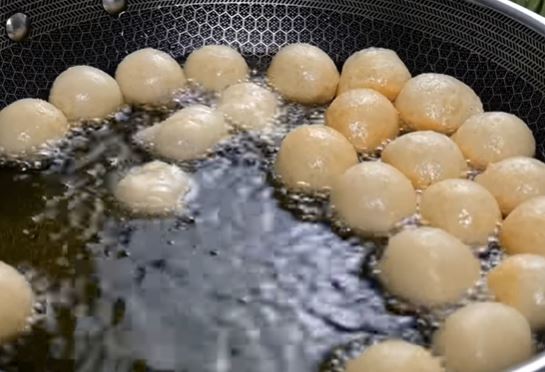
    After that, little spoonfuls of batter are dropped into hot oil and fried until beautifully golden brown.

    The final step is soaking the warm luqaimat in the syrup until perfectly coated.

    They are best enjoyed warm while still crispy on the outside.

    How To Make The Sugar Syrup

    Start by adding the sugar, water and lemon juice to a saucepan over medium heat.

    Stir until the sugar dissolves then let the syrup simmer for a few minutes until slightly thickened.

    Once removed from the heat, stir in the rose water and orange blossom water. Let the syrup cool completely while you prepare the batter.

    How To Make The Batter

    In a large bowl, combine the flour, cornstarch, sugar, yeast, baking powder and salt.

    Slowly pour in the lukewarm water while mixing until you get a thick batter similar to pancake batter.

    Cover the bowl and let the batter rest in a warm place for about 30 minutes to 1 hour until bubbly and doubled in size.

    Frying Luqaimat

    Heat vegetable oil in a deep pot over medium heat.

    To make shaping easier, lightly oil a spoon or kitchen scissors.

    You can scoop small pieces of batter using a spoon, or place the batter into a zip-top bag and snip small pieces directly into the hot oil.

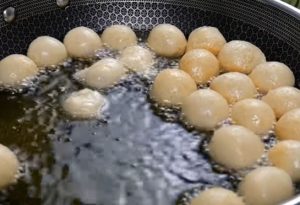
    Fry the luqaimat in batches, turning occasionally so they brown evenly on all sides.

    Once golden brown, transfer them briefly onto paper towels before dipping them into the cooled syrup.

    Let them soak for a minute so they absorb some of the syrup.

    Tips For The Best Luqaimat

    The batter should look thick like pancake batter, not like bread dough.

    Do not skip the resting time. This is what gives the luqaimat their soft airy center.

    Make sure the oil is not too hot. If the outside browns too quickly, the inside may stay raw.

    Fry in batches and avoid overcrowding the pot.

    Don’t stress too much about the shape. Perfectly round luqaimat are actually harder to make than they look.

    Variations

    Instead of sugar syrup, you can drizzle the luqaimat with date syrup or honey.

    For extra flavor, add saffron, cardamom or vanilla to the syrup.

    You can top them with chopped pistachios, sesame seeds or coconut flakes.

    Some people even serve them with Nutella or Biscoff spread for a modern twist.

    What To Serve With Luqaimat

    Luqaimat are perfect with Arabic coffee, karak chai, mint tea or even avocado cocktail.

    They are usually served warm as a dessert or sweet snack during Ramadan and Eid gatherings.

    They also make a really beautiful dessert platter for parties and celebrations.

    Luqaimat Recipe

    Luqaimat are sweet fried dough dumplings made from a simple yeasted batter. They are fried until golden brown and then soaked or drizzled with a sugar syrup.
    Total Time 1 hour 10 minutes
    Servings: 6
    Course: Dessert
    Calories: 555

    Ingredients
      

    For The Sugar Syrup

    • 2 cups sugar
    • 1 cup water
    • squeeze of lemon juice
    • 1 tablespoon rose water
    • 1 tablespoon orange blossom water

    For The Luqaimat

    • 1 cup all-purpose flour
    • 1 tablespoon cornstarch
    • 1 teaspoon sugar
    • teaspoons instant yeast
    • ½ teaspoon baking powder
    • pinch salt
    • 1 tablespoon vegetable oil
    • ½ to ¾ cup lukewarm water
    • vegetable oil for frying

    Method
     

    1. In a saucepan, combine the sugar, water and lemon juice. Simmer until slightly thickened then stir in the rose water and orange blossom water. Set aside to cool.
    2. In a large bowl, combine the flour, cornstarch, sugar, yeast, baking powder and salt.
    3. Slowly add the lukewarm water while mixing until a thick batter forms.
    4. Cover and let the batter rest for 30 to 60 minutes until doubled in size.
    5. Heat vegetable oil in a deep pot over medium heat.
    6. Drop small spoonfuls of batter into the hot oil and fry in batches until golden brown.
    7. Transfer the fried luqaimat onto paper towels for a few seconds.
    8. Dip the warm luqaimat into the cooled syrup until coated.
    9. Serve warm with pistachios, sesame seeds or extra syrup if desired.

    Notes

    • Luqaimat are best enjoyed fresh while still crispy.
    • Leftover syrup can be stored in the fridge for several weeks.
    • The batter should be thick but still pourable.
    • You can use date syrup instead of sugar syrup for a different flavor.
    • Rose water and orange blossom water give the syrup its classic Middle Eastern flavor.
  • Lebanese Bulgur Cheese: Keshek el Fouqara

    Lebanese Bulgur Cheese: Keshek el Fouqara

    Fermented foods have been a cornerstone of Lebanese cuisine for centuries, but some traditions have quietly slipped away. Keshek el Fouqara (literally “poor man’s cheese”) is one such tradition – an ancient bulgur cheese that was once a staple in Lebanese households until about 50 years ago. This remarkable recipe transforms bulgur wheat into a delicacy through fermentation.

    Lebanese Bulgur Cheese

    What is Keshek el Fouqara and Where Did it Come From?

    Keshek el Fouqara is a fermented bulgur cheese that originated in the mountains of Lebanon, developed by resourceful farmers who couldn’t afford to keep dairy animals. The name itself tells the story: “keshek” refers to a type of preserved food, while “el fouqara” means “of the poor.” This wasn’t just a clever name – it was literal. When you’re too poor to own a goat for making cheese, you get creative.

    These ingenious farmers discovered that by soaking and fermenting bulgur wheat over several weeks, they could coax out complex, cheese-like flavours that could satisfy the same cravings as dairy cheese. The fermented bulgur would be shaped into balls, preserved in olive oil, and used throughout the year as a powerful flavour enhancer – spread on bread, crumbled into stews, or eaten simply with olive oil and black pepper.

    How Does It Taste?

    If you’ve never tasted fermented grain, the flavour profile of keshek el fouqara might surprise you. It’s known as “poor man’s cheese” not just because of its origins, but because of its genuine cheese-like qualities. The fermentation creates tangy, funky notes reminiscent of aged goat cheese, with an earthy, slightly sour complexity that develops over time.

    I’ll be honest – it’s an acquired taste for some people. The first bite might make you pause, especially if you’re not accustomed to fermented foods. But give it a chance. Like many fermented foods (think kimchi, natto, or blue cheese), what seems strange at first can become utterly craveable. The umami depth is remarkable, and the way it melts into warm dishes or enriches a simple piece of bread is truly special.

    The flavour also varies depending on fermentation time and the ambient temperature in your kitchen. A shorter fermentation (4 weeks) yields a milder, slightly tangy result, while a longer fermentation (6+ weeks) produces something much funkier and more complex.

    Keshek el Fouqara Ingredients

    The beauty of this recipe is its simplicity – you need just three essential ingredients, plus olive oil for storage. The optional herbs and spices for coating are where you can get creative. For exact amounts, see the full recipe card below.

    Essential Ingredients

    Bulgur wheat (500g): Use medium or coarse bulgur wheat, not fine bulgur. The coarser grain holds up better during the long fermentation process. You can find bulgur at Middle Eastern markets, health food stores, or online. Make sure it’s plain bulgur wheat with nothing added.

    Salt (28g): This precise amount of salt is important – it’s about 2% of the weight of the bulgur, which creates the right environment for beneficial fermentation while preventing harmful bacteria from taking over. Use fine sea salt or kosher salt.

    Water (1400ml): Use filtered or spring water if possible. Chlorinated tap water can inhibit fermentation, though if that’s all you have, you can let it sit out overnight to allow the chlorine to evaporate.

    Extra virgin olive oil (1 liter): This is for preserving the finished cheese balls. Don’t skimp on quality here – a good, fruity olive oil not only preserves the cheese but becomes part of the final flavour. The oil itself becomes infused with the cheese and can be used for cooking or drizzling.

    Optional Coating Ingredients

    This is where you can personalize your keshek el fouqara. Traditional coatings include:

    • Za’atar: The classic choice, adding herbal, tangy notes
    • Dried mint: Provides a fresh, aromatic quality
    • Aleppo pepper or red chili flakes: For a spicy kick
    • Sesame seeds: Adds nuttiness and texture
    • Nigella seeds (black cumin): Provides a subtle, peppery flavor
    • Sumac: Adds extra tanginess and a beautiful color

    You can use one coating or mix and match. Some people like to make different varieties with different coatings, so they have options.

    How to Make Keshek el Fouqara

    This recipe unfolds over two main phases: the fermentation phase (4-6 weeks) and the aging phase (another 4-6 weeks). While this sounds daunting, the actual hands-on time is minimal – just a few minutes of stirring each day during fermentation, then a couple hours of work to drain, shape, and jar the cheese.

    What You Need

    • 2-liter mason jar
    • Cheesecloth
    • Butcher’s string
    • Colander
    • Clean glass jars for storage

    Step 1:

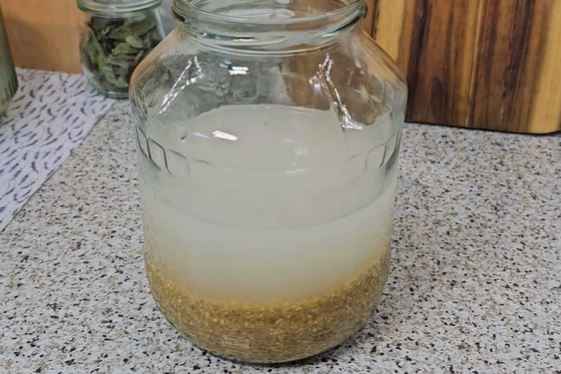
    In a clean 2-liter mason jar, combine the bulgur, salt, and water. Stir well to dissolve the salt and distribute the bulgur evenly. The mixture will look quite watery at this stage – that’s normal.

    LEebanese bulgur cheese recipe

    Step 2:

    Let the mixture sit for about 1 hour to allow the bulgur to absorb water and swell. After an hour, give it another good stir. You’ll notice the bulgur has expanded and the water level has dropped.

    Step 3:

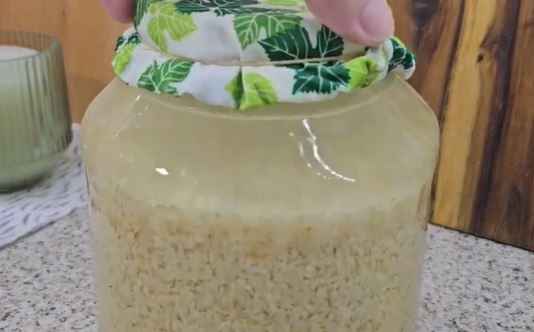
    Cover the jar with cheesecloth (secured with a rubber band or the jar’s ring without the lid) to allow air circulation while keeping out dust and insects. Place the jar in a dark cupboard or pantry where the temperature is relatively stable.

    LEebanese bulgur cheese ingredients

    Step 4:

    For the next 4-6 weeks, stir the bulgur once daily with a clean spoon. This daily stirring is crucial – it prevents mold from forming on the surface and ensures even fermentation throughout the mixture.

    Step 5:

    In the first few days, you’ll notice the bulgur rises to the top. Press it down gently with your spoon after stirring. There should be a thin layer of water covering the bulgur. If the bulgur looks dry or exposed, add a little more water (a few tablespoons at a time).

    Step 6:

    After 3-5 days, you’ll start seeing bubbles rise to the surface when you shake the jar or stir the bulgur. This is exciting – it means fermentation has begun! The mixture might smell slightly sour or yeasty. This is exactly what you want.

    Step 7:

    As the days progress, the bulgur will begin breaking down into a paste-like consistency when you stir it. A white layer of yeast may develop on the surface – this is completely normal and safe. Just stir it back in. By week 2-3, the mixture should taste slightly cheesy.

    Step 8:

    Continue fermenting until the flavour develops to your liking. The timeline depends on your kitchen temperature (warmer = faster fermentation) and personal preference. Taste it weekly after the first two weeks. When it has the flavor you want, it’s ready for the next phase.

    Step 9:

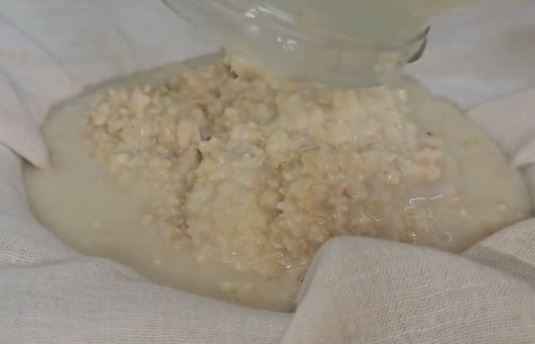
    Line a colander with several layers of cheesecloth. Pour the fermented bulgur into the cloth. Gather the edges of the cheesecloth and tie them tightly with butcher’s string to create a bundle.

    Step 10:

    Hang the bundle from a height (you can tie it to a cabinet handle, wooden spoon balanced over a pot, or even your kitchen faucet) with a bowl underneath to catch the liquid that drains out. Let it drain overnight, or for at least 12 hours.

    Step 11:

    The next day, squeeze the bundle to extract as much moisture as possible. You want the bulgur paste to be fairly dry and moldable. Transfer the paste to a clean bowl and knead it with your hands for several minutes until smooth and cohesive.

    Step 12:

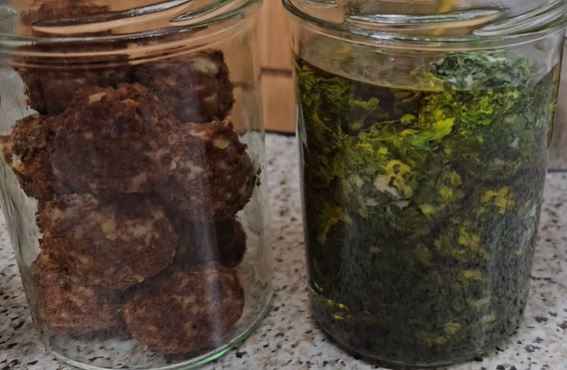
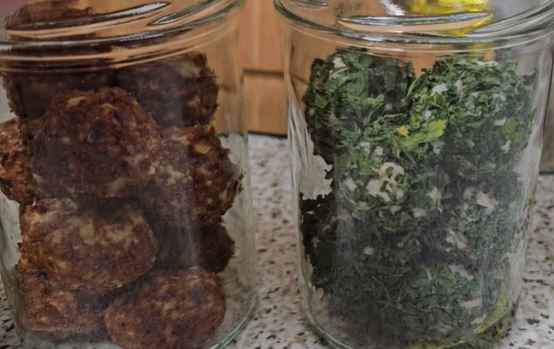
    Shape the mixture into small balls, about the size of a walnut (2-3cm in diameter). If desired, roll the balls in your chosen coating of dried herbs, spices, or seeds, pressing gently so the coating adheres.

    Step 13:

    Pack the balls into clean, dry mason jars, leaving about 1 inch of space at the top.

    Step 14:

    Pour extra virgin olive oil over the balls until they are completely submerged, with at least 1cm of oil covering the top layer. This is important – any exposure to air can cause spoilage.

    Step 15:

    Seal the jars and store them in a cool, dark place. You can eat the keshek el fouqara immediately, but it will develop more complex flavours if you let it age for another 4-6 weeks.

    Step 16:

    As you use the cheese balls, always make sure the remaining balls are covered with oil. You can top up with more olive oil as needed.

    The Benefits of Fermenting Bulgur Wheat

    Beyond the incredible flavour transformation, fermenting bulgur wheat brings significant nutritional benefits that make this ancient recipe relevant to modern healthy eating:

    Improved Nutrition

    Fermentation increases the bioavailability of nutrients in grains. The process breaks down phytic acid, an anti-nutrient that can bind to minerals like iron and zinc, making these minerals more available for absorption. Studies have shown that fermented grains can have significantly higher levels of accessible B vitamins as well.

    Probiotic Boost

    Like other fermented foods such as yogurt, kimchi, and sauerkraut, keshek el fouqara is rich in beneficial bacteria. These probiotics support gut health, which is increasingly recognized as central to overall health – affecting everything from digestion and immune function to mood and mental clarity.

    Improved Digestion

    The enzymes produced during fermentation pre-digest the starches in the bulgur, making the final product easier to digest than raw grain. This is particularly helpful for people who struggle with bloating or gas when eating whole grains.

    Umami Flavor

    The fermentation process creates glutamic acid, the compound responsible for umami flavor – that savory, deeply satisfying taste that makes food irresistible. This transforms bulgur from a mild, neutral grain into a flavor powerhouse that can elevate any dish.

    How to Use Keshek el Fouqara

    Once you’ve made this incredible ingredient, you’ll want to use it in as many ways as possible. Here are some traditional and modern serving suggestions:

    The Classic: Smear a cheese ball on warm, crusty bread, drizzle with the infused olive oil from the jar, and finish with a crack of black pepper. This simple preparation lets the complex flavour shine.

    As a Condiment: Crumble it over fattoush, tabbouleh, or other Lebanese salads for a tangy, umami boost.

    In Cooking: Add crumbled keshek el fouqara to soups, stews, or grain dishes during the last few minutes of cooking. It melts into the dish, adding incredible depth.

    With Vegetables: Toss roasted vegetables with crumbled keshek el fouqara and a drizzle of its olive oil.

    On Pizza or Flatbread: Use it like you would use feta or goat cheese as a topping.

    In Dips: Blend it with tahini, lemon juice, and garlic for a unique twist on traditional mezze.

    Advance Prep and Storage Tips

    Making in Batches: This recipe is easily doubled or tripled. Since you’re investing weeks into the process, many people prefer to make a large batch. Just make sure your fermentation vessel is large enough to accommodate the bulgur’s expansion, with plenty of headroom.

    Storage Duration: As long as the cheese balls remain completely submerged in olive oil and stored in a dark place, they will keep for several months – some say up to a year. Always use a clean, dry spoon when removing balls from the jar to prevent introducing moisture or contaminants.

    The Oil: Don’t throw away that infused olive oil! As you use the cheese balls, the oil becomes increasingly flavourful. Use it for dressing salads, drizzling over dishes, or as a cooking oil for extra flavor.

    Identifying Issues with Fermentation: If you notice pink or black mold (as opposed to white yeast), the batch has gone bad and should be discarded. This is rare if you’re stirring daily, but it can happen. If the mixture develops an off-putting smell (beyond the normal sour, fermented smell), trust your instincts and start over.

    Frequently Asked Questions

    Do I need any special equipment for this recipe?

    No special equipment is needed beyond a 2-liter mason jar, cheesecloth, and butcher’s string. A colander for draining is helpful, but you could improvise with a strainer. The most important thing is cleanliness – make sure all your equipment is thoroughly cleaned before starting.

    Can I speed up the fermentation process?

    You can place the jar in a warmer location (like on top of your refrigerator or near a heating vent) to speed up fermentation, but I don’t recommend rushing it too much. The slow fermentation allows for more complex flavor development. You might cut the time down to 3-4 weeks in a warm environment, but going shorter than that won’t give you the full flavour.

    What if I can’t stir it every single day?

    While daily stirring is ideal, missing a day here and there won’t ruin your batch. If you know you’ll be away for a few days, make sure to press the bulgur down very well before you leave and give it an extra-thorough stir when you return.

    Can I make this with other grains?

    Traditionally, this is made with bulgur, which is parboiled cracked wheat. The parboiling process makes bulgur particularly suitable for this fermentation. Other grains might ferment, but they would create a different product with different flavours and textures.

    Is it safe to ferment at room temperature for so long?

    Yes, when done correctly. The salt content and daily stirring create an environment where beneficial bacteria thrive while harmful bacteria cannot. Fermentation has been used as a food preservation technique for thousands of years. That said, always use your senses – if something looks, smells, or tastes wrong, don’t eat it.

    Can I use this if I’m vegan?

    Absolutely! Keshek el fouqara is completely plant-based, making it a great option for vegans looking for complex, cheese-like flavors without dairy.

    Keshek el Fouqara Recipe (Lebanese Bulgur Cheese)

    Keshek el Fouqara is a traditional Lebanese fermented bulgur cheese that delivers a cheese-like flavour through a simple but patient fermentation process. 
    Servings: 24 cheese balls

    Ingredients
      

    • 500 g medium or coarse bulgur wheat
    • 28 g fine sea salt or kosher salt
    • 1400 ml filtered water
    • 1 liter extra virgin olive oil
    • Optional coatings: za’atar dried mint, sesame seeds, nigella seeds, Aleppo pepper or chili flakes, and sumac.

    Method
     

    1. Combine the bulgur, salt, and water in a clean jar, let sit for 1 hour, then stir again.
    2. Cover with cheesecloth and keep in a dark place for 4–6 weeks, stirring daily and keeping the bulgur slightly submerged in water.
    3. After a few days, fermentation will begin with bubbles and a sour aroma; continue fermenting until it develops a tangy, cheese-like flavor.
    4. Drain the fermented bulgur in cheesecloth overnight, then squeeze out excess moisture.
    5. Knead the paste until smooth and shape into small balls. Roll in optional herbs, spices, or seeds if desired.
    6. Pack the balls into clean jars and fully cover them with olive oil.
    7. Seal and store in a cool, dark place. Eat immediately or age for another 4–6 weeks for deeper flavor.
    8. Keep the cheese balls submerged in oil at all times during storage.

    Notes

    • The fermentation time will vary based on ambient temperature. Warmer kitchens (75-80°F/24-27°C) will ferment faster than cooler ones.
    • Always use a clean, dry spoon when removing cheese balls from the jar to prevent introducing moisture or contaminants.
    • The added olive oil becomes increases in falvor  over time and can be used in cooking or for dressing salads.
  • Kishk el Foukara (Lebanese Muhallabia)

    Kishk el Foukara (Lebanese Muhallabia)

    Kishk el foukara is a creamy Lebanese dessert made with milk pudding flavored with orange blossom water and layered with toasted nuts.

    Kishk el Foukara

    What Is Kishk el Foukara?

    Kishk el foukara (also spelled kishik el fukara) is a common Lebanese dessert with a name that translates to “kiosk of the poor”. The name likely refers to how simple and affordable the ingredients are, yet the result is very delicious and rich in flavor.

    In different regions of Lebanon, this same dessert is known by other names. Many call it “muhallabiyeh” or “muhallabia,” which is the broader Arabic term for milk pudding desserts found throughout the Middle East.

    What makes kishk el foukara special is the beautiful layering technique – the pudding and nuts aren’t just mixed together, but carefully alternated in layers. When you scoop through the layers, you discover pockets of walnuts, pistachios, and almonds nestled between the milk pudding.

    The secret ingredient that transforms this from ordinary pudding into something distinctly Lebanese is orange blossom water (mazaher or ma ward). This floral water, distilled from orange blossoms, adds a delicate, aromatic quality that’s absolutely essential to the authentic flavor. Without it, you just have plain vanilla pudding.

    If you love this kishk el foukara recipe, you’ll probably also enjoy Lebanese Rice Pudding (Riz bi Haleeb), Ashta (clotted cream), Knafeh (shredded phyllo with sweet cheese), Baklava, and Ma’amoul (stuffed date cookies)—all wonderful Lebanese sweets.

    Why You’ll Love This Kishk el Foukara Recipe

    Incredibly easy – Just five main ingredients and about 30 minutes of cooking time for an impressive dessert

    Nice aroma – The orange blossom water creates a delicate floral flavor that’s distinctly Middle Eastern

    Perfect dessert – Actually needs to be made ahead, so it’s ideal for entertaining

    Kishk el Foukara Recipe Ingredients

    Pudding Base

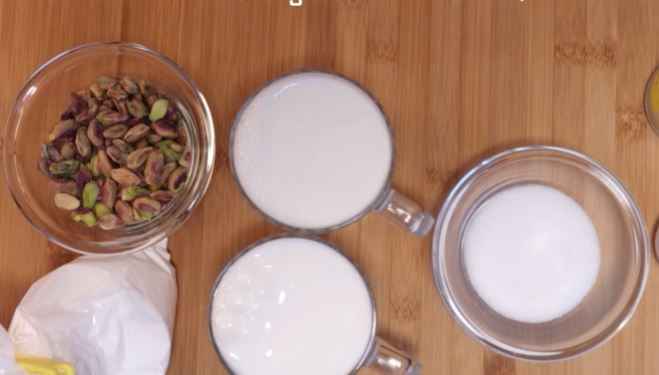
    5 cups whole milk – Whole milk is essential for the richest, creamiest texture. Don’t use low-fat or skim milk—you’ll end up with a thin, watery pudding. The fat content in whole milk creates that luxurious, velvety mouthfeel that makes this dessert so satisfying.

    5 tablespoons sugar – Just enough sweetness to balance the milk without being cloying. Lebanese desserts tend to be less aggressively sweet than Western desserts, letting the delicate flavors shine through. You can adjust this to taste, but start with 5 tablespoons.

    5 tablespoons cornstarch – This is what thickens the milk into pudding. Cornstarch creates a smooth, silky texture without the eggy flavor you’d get from custard. Make sure to mix it thoroughly with the cold milk before heating to prevent lumps.

    Lebanese Muhallabia recipe ingredients

    Flavoring

    2 tablespoons orange blossom water (mazaher) – This is absolutely essential! Orange blossom water is what makes this dessert authentically Lebanese. It adds a subtle, delicate floral aroma and taste that’s completely unique. You can find it at Middle Eastern grocery stores, Mediterranean markets, or online. Don’t skip this or substitute with vanilla—it won’t be the same dish.

    Nuts

    1 cup dried whole almonds – Almonds add buttery richness and crunch. Use whole almonds that you’ll mince yourself—pre-chopped almonds are often too fine or stale.

    1 cup raw or roasted unsalted pistachios – Pistachios add beautiful green color and a distinctive, slightly sweet nutty flavor. Make sure they’re unsalted! Use raw or roasted, but avoid the red-dyed pistachios.

    1 cup walnuts – Walnuts add earthy depth and a slightly bitter note that balances the sweetness perfectly. They’re also the most affordable of the three nuts.

    How to Make Kishk el Foukara (Milk Pudding With Nuts)

    Step 1: Prepare the nuts

    Add the 1 cup almonds, 1 cup pistachios, and 1 cup walnuts to a food processor. Pulse for 15-20 seconds until the nuts are coarsely chopped into small pieces-you want a rough mince, not a fine powder. Don’t over-process or you’ll end up with nut butter. The nuts should be in small, distinct pieces that will provide crunch. Set aside in a bowl.

    Step 2: Mix the pudding base

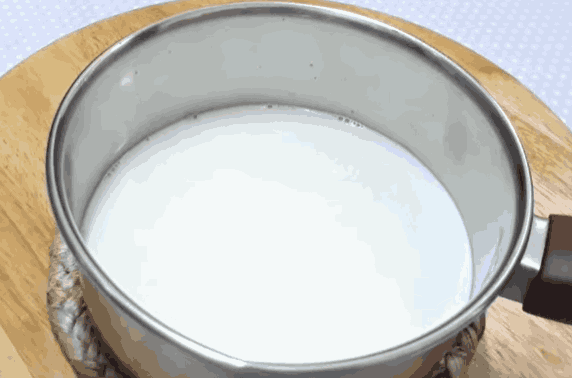
    In a medium bowl, combine the 5 cups of whole milk, 5 tablespoons of sugar, and 5 tablespoons of cornstarch. Whisk thoroughly until all the cornstarch has completely dissolved and there are no lumps. This is important-if the cornstarch isn’t fully mixed in before heating, you’ll get a lumpy pudding.

    milk pudding base

    Step 3: Heat and thicken the pudding

    Pour the milk mixture into a medium saucepan. Place over medium to medium-low heat. Stir continuously with a wooden spoon or whisk-this is crucial! You must keep stirring to prevent the bottom from scorching and to ensure the pudding thickens evenly. As the mixture heats, it will gradually begin to thicken. Continue stirring constantly for about 10-15 minutes.

    Step 4: Add the orange blossom water

    When the pudding is near boiling and has noticeably thickened (it should coat the back of your spoon), remove from heat and immediately stir in the 2 tablespoons orange blossom water. Mix thoroughly for about 3 more minutes. The pudding should be thick, smooth, and creamy-similar to the consistency of thick pancake batter or melted ice cream.

    Step 5: Layer the pudding and nuts

    Work quickly while the pudding is still very hot—it will start setting as it cools. Pour half of the hot pudding into your serving tray (a 9×13-inch Pyrex glass dish or similar 2-inch deep tray works perfectly). Spread it evenly across the bottom.

    Sprinkle half of the minced nuts evenly over the pudding layer, creating a complete layer of nuts.

    Pour the remaining half of the pudding over the nut layer, spreading it evenly to cover.

    Finish by sprinkling the remaining nuts on top in an even layer. You should now have four layers total: pudding, nuts, pudding, nuts.

    Step 6: Cool and set

    Let the tray rest at room temperature for about 30 minutes. This allows the pudding to begin setting without condensation forming on top (which happens if you refrigerate while still very hot).

    Step 7: Refrigerate

    After the initial cooling, cover the tray with plastic wrap and refrigerate for at least 1 hour, though 2-3 hours or overnight is even better. The pudding needs this time to fully set into a firm, sliceable consistency and for the flavors to meld together.

    Step 8: Serve

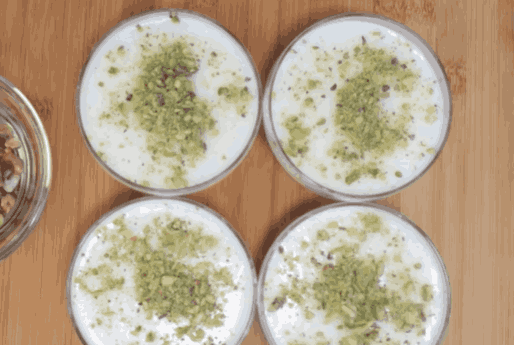
    Scoop generous portions into individual bowls or cut into squares and serve on dessert plates. The pudding should be cool, creamy, and set but not rubbery. Each serving should have visible layers of pudding and nuts.

    Additions and Substitutions

    Milk substitute: You can use 2% milk if you must, but the pudding will be less rich and creamy. For a dairy-free version, use full-fat coconut milk (though the flavor will be different) or cashew milk (the creamiest non-dairy option).

    Cornstarch substitute: You can use an equal amount of rice flour or potato starch, though cornstarch gives the smoothest texture. Don’t use regular flour—it will make the pudding taste pasty.

    Orange blossom water substitute: If you absolutely cannot find orange blossom water, you can use rose water (ma ward), though it will taste different. Vanilla extract doesn’t work here—it’s not the same flavor profile at all. Really, the orange blossom water is essential.

    Nuts substitute: Use any combination of nuts you prefer! Cashews, hazelnuts, or pecans all work beautifully. You could even use all of one type of nut if that’s what you have. Some people add shredded coconut to the nut mixture.

    Make it richer: Some cooks add 1-2 tablespoons of butter to the pudding while it’s cooking for extra richness.

    Add more texture: Layer some shredded coconut along with the nuts.

    Make it fancy: Garnish with whole pistachios arranged in a decorative pattern on top, or drizzle with a little honey or simple syrup before serving.

    Individual servings: Instead of one large tray, portion into individual glass cups or ramekins for elegant individual servings.

    Reduce sugar: If you prefer less sweet desserts, reduce the sugar to 3-4 tablespoons. Lebanese desserts are traditionally sweet, but adjust to your taste.

    Behind the Kishk el Foukara Recipe

    My first taste of kishk el foukara was at a Lebanese friend’s house during Ramadan. After breaking the fast with dates and savory dishes, her mother brought out this beautiful layered milk pudding topped with pistachios, and I was immediately enchanted by the delicate orange blossom aroma that wafted up as she served it.

    I asked what made it smell so wonderful, and she smiled and said, “Mazaher-orange blossom water. It’s what makes Lebanese sweets special.” She explained that this particular dessert was called “kishk el foukara,” which meant “kiosk of the poor.” I thought it was such a poetic name for something that tasted so elegant.

    When I asked why it had that name, she laughed and said it was because the ingredients were so simple and affordable-just milk, sugar, cornstarch, and nuts-that even the poorest families could make it. But despite its humble origins, it was delicious enough to serve at celebrations and special occasions. “The poor man’s dessert that tastes rich,” she said.

    What struck me most was how the orange blossom water transformed such basic ingredients into something that felt exotic and special. Without it, this would just be plain pudding. With it, it became unmistakably Lebanese-aromatic, delicate, and utterly delicious.

    When I made it at home for the first time, I learned the importance of constant stirring. I got distracted for just a minute, and the bottom scorched slightly, giving the whole pudding a burnt undertone. The second time, I stayed vigilant, stirring continuously, and the result was perfect.

    I also discovered that the layering technique isn’t just for show. Having the nuts in layers rather than all on top means every bite gets that perfect combination of creamy pudding and crunchy nuts.

    Now I make kishk el foukara whenever I want something sweet that’s easy to prepare but still feels special. It’s become my go-to dessert for dinner parties because I can make it hours ahead and just pull it from the fridge when it’s time for dessert. The look on people’s faces when they taste that first bite and get the orange blossom aroma-it never gets old.

    Frequently Asked Questions

    What is pudding made of?

    This Lebanese milk pudding (kishk el foukara) is made of whole milk, sugar, cornstarch for thickening, orange blossom water for flavoring, and a mixture of minced nuts (almonds, pistachios, and walnuts) for texture and richness.

    Is kishk el foukara easy to make?

    Yes. This is one of the easiest Lebanese desserts to make. It requires just five main ingredients and about 30 minutes of active time. The only technique you need to master is stirring constantly while the pudding thickens. It’s beginner-friendly and almost foolproof.

    Where can I find orange blossom water?

    You can find orange blossom water at Middle Eastern grocery stores, Mediterranean markets, specialty spice shops, or online (Amazon carries several brands). Look for brands like Cortas, Al Wadi, or Mymouné. A little goes a long way-one bottle will last you many desserts.

    Can I make this dairy-free?

    You can try using full-fat coconut milk or cashew milk, though the flavor and texture will be different from traditional kishk el foukara. Make sure whatever milk you use has some fat content-low-fat milk substitutes won’t give you the creamy texture you want.

    How do I know when the pudding is thick enough?

    The pudding is ready when it noticeably coats the back of your spoon and is approaching a boil (you’ll see steam and small bubbles forming around the edges). It should be thick like melted ice cream or pancake batter-pourable but definitely thick.

    What if my pudding is lumpy?

    If you get lumps from the cornstarch not being fully mixed in, you can strain the hot pudding through a fine-mesh sieve before layering it in the tray. Better yet, prevent lumps by whisking the cornstarch thoroughly into the cold milk before heating.

    Can I use salted nuts?

    It’s not recommended—salted nuts will make the dessert taste savory-sweet in an unpleasant way. Stick to unsalted nuts. If you only have salted nuts, rinse them and dry them thoroughly before using.

    Want more delicious Lebanese desserts?

    Lebanese Rice Pudding (Riz bi Haleeb) – Creamy rice pudding with orange blossom water and cinnamon.

    Knafeh – Shredded phyllo pastry with sweet cheese and syrup.

    Baklava – Layers of phyllo, nuts, and honey syrup.

    Ma’amoul – Buttery cookies filled with dates, pistachios, or walnuts.

    Ashta – Lebanese clotted cream often served with fresh fruit.

    Halawet el Jibn – Sweet cheese rolls filled with cream.

    Atayef – Stuffed pancakes typically served during Ramadan.

    Kishk el Foukara

    Kishk el Foukara (Milk Pudding With Nuts)

    A delicious Lebanese milk pudding delicately flavored with orange blossom water and layered with crunchy minced nuts.
    Total Time 30 minutes
    Servings: 8 servings
    Course: Dessert
    Calories: 426

    Ingredients
      

    Pudding
    • 5 cups whole milk
    • 5 tablespoons sugar
    • 5 tablespoons cornstarch
    • 2 tablespoons orange blossom water mazaher
    Nuts
    • 1 cup whole almonds dried
    • 1 cup pistachios unsalted, raw or roasted
    • 1 cup walnuts

    Method
     

    1. Pulse the almonds, pistachios, and walnuts in a food processor until coarsely chopped.
    2. Whisk together the milk, sugar, and cornstarch until smooth.
    3. Cook the mixture over medium-low heat, stirring constantly until thickened.
    4. Remove from heat and stir in the orange blossom water.
    5. Layer half the pudding in a serving dish, add half the nuts, then repeat with the remaining pudding and nuts.
    6. Let it cool at room temperature for 30 minutes.
    7. Refrigerate until fully set and chilled.
    8. Serve cold and enjoy.

    Notes

    Nutrition (per serving):
    • Calories: 426
    • Fat: 30g
    • Carbohydrates: 29g
    • Fiber: 5g
    • Sugar: 17g
    • Protein: 14g
    • Calcium: 250mg
    • Rich in healthy fats from nuts
    • Good source of protein

  • Easy Lebanese Garlic Sauce (Toum)

    Easy Lebanese Garlic Sauce (Toum)

    Craving for an intense Lebanese garlic sauce? This authentic toum recipe is what you need. Made with just garlic, oil, lemon juice, and salt, this traditional Lebanese garlic paste is creamy with grilled meats, shawarma, and everything in between.

    What Is Toum?

    Toum (also spelled toom) is the Arabic word for “garlic,” but it isn’t just any garlic sauce; it’s a thick paste with the texture of whipped cream or mayonnaise and an intoxicating aroma of lemon and garlic.

    What makes toum so special is how simple it is to make. It is made with only four ingredients – garlic, oil, lemon juice, and salt. No eggs, no dairy, no thickeners – just pure garlic.

    Toum has variations across the Mediterranean and the Middle East. Egyptians call it “tooma,” Greeks have “skordalia,” and Spaniards make “aioli.” But the Lebanese version stands out for having a bright white color and an intense garlic flavor. It also uses neutral vegetable oil instead of the more traditional olive oil.

    If you love this toum recipe, you’ll probably also enjoy Muthawama (garlic sauce with egg white), Tahini Sauce, Chicken Shawarma, Chicken Shish Tawook, Lebanese Grilled Chicken, and of course, serving it alongside Grilled Kafta or Lebanese-Style BBQ.

    Toum Recipe Ingredients

    Garlic

    3 heads of garlic, peeled – This is approximately 30-40 cloves of fresh garlic. Yes, that’s a lot! Use the freshest, firmest garlic you can find. Remove any green sprouts from the center of the cloves as they add bitterness. This is the star ingredient, so quality matters. If using a large food processor, you need at least 3 heads of garlic for the blades to reach and process properly. Smaller quantities won’t work well in large processors.

    Oil

    4 cups vegetable oil – This is crucial: use a neutral oil like canola, sunflower, avocado, or peanut oil. Do NOT use olive oil, especially extra virgin – it’s too strong, becomes bitter when over-processed, and will overpower the garlic. The neutral oil is what gives toum its brilliant white color and allows the garlic flavor to shine. Traditional recipes used olive oil, but modern Lebanese cooks prefer vegetable oil for a lighter, less biting flavor.

    Acid

    1/2 cup fresh lemon juice – Freshly squeezed is essential. You’ll need about 4-5 lemons.

    Seasoning

    1 teaspoon salt (or to taste) – Salt helps break down the garlic and enhances all the flavors. It’s also part of what creates the paste texture when you first process the garlic. Use kosher salt or sea salt for best results.

    How to Make Toum (Lebanese Garlic Sauce)

    Step 1: Prepare your kitchen and ingredients

    Make sure all ingredients are at room temperature. Have everything measured and ready. Peel all the garlic cloves (3 heads worth) and remove any green sprouts from the centers. This is tedious but important.

    Step 2: Process the garlic and salt

    Add the peeled garlic cloves and 1 teaspoon salt to your food processor. Run the processor for 10-20 seconds. Stop, scrape down the sides with a rubber spatula, then process again for another 10-20 seconds. Repeat this process 3-4 times until the garlic starts to turn pasty and smooth. You want it completely broken down with no large chunks remaining.

    Step 3: Use the Processor

    From this point forward, turn the processor on and KEEP IT RUNNING until the very end. You’ll be adding ingredients while it runs continuously.

    Step 4: Start adding oil very slowly

    With the processor running, begin adding the 4 cups of oil in an extremely thin, slow stream-almost drop by drop at first. This is the most critical step. After adding the first half cup of oil, you should start seeing the garlic turn into a shiny, white paste.

    Step 5: Alternate with lemon juice

    While the processor is still running continuously, add 1/2 teaspoon of lemon juice in a very slow, thin stream. Wait a few seconds for it to be well absorbed into the paste. The paste should remain thick and creamy.

    Step 6: Continue the oil-lemon cycle

    Keep alternating: add 1/2 cup of oil in a thin stream, wait a few seconds, then add 1/2 teaspoon of lemon juice, wait a few seconds. Repeat this cycle until you’ve used all 4 cups of oil and all 1/2 cup of lemon juice. This entire process should take 8-10 minutes. Patience is key. Don’t rush.

    Step 7: Check the consistency

    Once all the oil and lemon juice are incorporated, you should have a thick, fluffy, white paste that looks like whipped cream or soft-serve ice cream. It should hold soft peaks when you lift the processor blade or a spoon through it.

    Step 8: Taste and adjust

    Taste your toum and adjust seasoning if needed. You might want a tiny bit more salt or a squeeze more lemon juice. Pulse briefly if you make any additions.

    Step 9: Transfer and store

    Transfer the toum to an airtight container. Let it rest in the refrigerator for at least 1 hour before serving-this allows the flavors to meld and the texture to set slightly. The garlic flavor will actually mellow a bit over the next day or two.

    Step 10: Serve

    Serve your beautiful, fluffy toum alongside grilled chicken, shawarma, kebabs, roasted vegetables, or with pita bread. Watch it disappear.

    Additions and Substitutions

    Oil substitute: Any neutral oil works-canola, sunflower, safflower, avocado, grapeseed, or peanut oil. Never use olive oil in the full amount, though some traditional cooks use a small amount (1/4 cup) mixed with vegetable oil for subtle flavor.

    Lemon juice substitute: Some cooks use water to blend everything together and add lemon juice only at the end. This can actually help prevent breaking. White vinegar can work, but lemon is traditional and best.

    Add egg white: While not traditional, you can add 1 egg white at the beginning. However, some people (including many Lebanese cooks) feel it leaves a subtle aftertaste. Alternatively, you can use 1/2 teaspoon of soy lecithin powder, it won’t affect the taste.

    For milder garlic: Blanch the peeled garlic cloves in boiling water for 2-3 minutes before using. This mellows the intensity significantly while keeping the garlic flavor.

    Make it creamier: Some cooks add 2-3 tablespoons of Greek yogurt or labneh at the end for extra richness and tang.

    Add herbs: A handful of fresh parsley or cilantro creates a beautiful green-tinted herbed version.

    If using a small food processor: Reduce the recipe to 1-2 heads of garlic and adjust other ingredients proportionally. Large batches work better in large processors.

    If it breaks: Don’t panic. Start fresh with 1 tablespoon of the broken mixture in a clean processor, then very slowly drizzle in the rest of the broken sauce. Alternatively, start with a new head of garlic processed with salt, then slowly add the broken sauce.

    Toum Recipe FAQs

    Why did my toum break or separate?

    The most common reason is adding oil too quickly. The oil must be added in an extremely slow, thin stream-almost drop by drop at the beginning. Other reasons include: wrong oil temperature (ingredients should be room temperature), using too much or too little lemon juice relative to oil, stopping the processor during the process, or using a processor that’s too large for the amount of garlic.

    Can I fix broken toum?

    Yes! Start fresh with 1 tablespoon of the broken mixture in a clean food processor. Process it, then very slowly drizzle in the rest of the broken sauce. Alternatively, process a fresh head of garlic with salt, then slowly add the broken sauce to it.

    Why can’t I use olive oil?

    Olive oil, especially extra virgin, has a strong flavor that becomes bitter when over-processed in a food processor. It also overpowers the garlic flavor. Traditional recipes used olive oil because that’s what was available, but modern Lebanese cooks prefer neutral vegetable oils for a lighter, fluffier, whiter toum that lets the garlic shine.

    Do I need to use eggs in toum?

    No. Traditional toum uses no eggs — just garlic, which has enough natural lecithin to hold everything together. Some Lebanese cooks feel egg white leaves a subtle aftertaste, while others don’t notice it at all due to the strong garlic flavor.

    Can I use a blender instead of a food processor?

    It’s much more difficult. Food processors work best because they keep the ingredients moving and allow for better control. Immersion blenders can work, but are less reliable. With a regular blender, the oil just sinks to the bottom and never fully comes together.

    How long does toum last?

    Store in an airtight container in the refrigerator for 2-3 weeks. Some sources say up to a month, but fresher is always better. The garlic flavor actually mellows slightly after a few days in the fridge.

    Can I freeze toum?

    You can freeze toum for up to 3 months, though the texture may become slightly grainy when thawed. Thaw in the refrigerator overnight and stir well before using.

    Want more bold Lebanese sauces and accompaniments?

    Muthawama – Lebanese garlic sauce made with egg white or potato.

    Tahini Sauce – Creamy sesame sauce perfect for falafel and shawarma.

    Chicken Shawarma – The perfect pairing for toum!

    Chicken Shish Tawook – Grilled marinated chicken skewers traditionally served with toum.

    Dajaj Mishwi – Lebanese grilled chicken that’s incomplete without toum.

    Grilled Kafta – Ground meat kebabs that love a dollop of garlic sauce.

    Labneh – A cooling yogurt dip that provides a nice contrast to intense toum.

    toum recipe

    Toum Recipe (Lebanese Garlic Sauce)

    The authentic Lebanese garlic sauce made with just garlic, oil, lemon juice, and salt is perfect with grilled chicken, shawarma or BBQ.
    Total Time 10 minutes
    Servings: 4 cups
    Course: Preserve
    Cuisine: lebanese
    Calories: 393

    Ingredients
      

    • 3 heads garlic peeled (approximately 30-40 cloves)
    • 1 teaspoon salt or to taste
    • 4 cups vegetable oil canola, sunflower, avocado, or peanut oil, NOT olive oil
    • 1/2 cup fresh lemon juice

    Method
     

    1. Bring all ingredients to room temperature and peel the garlic, removing any green sprouts.
    2. Process the garlic with salt in a food processor until completely smooth and pasty.
    3. Keep the processor running continuously while making the emulsion.
    4. Slowly drizzle in the oil, starting almost drop by drop, until the mixture begins turning white and creamy.
    5. Add a small amount of lemon juice slowly, then continue alternating between oil and lemon juice until all are used.
    6. Continue processing slowly and steadily for about 8–10 minutes until the toum becomes thick, fluffy, and smooth.
    7. Taste and adjust salt if needed.
    8. Refrigerate for at least 1 hour before serving with meats, shawarma, vegetables, or pita bread.

    Notes

    Storage
    • Refrigerate in airtight container for 2-3 weeks
    • Can be frozen for up to 3 months (texture may change slightly)
    • Store in multiple small containers rather than one large one
    Nutrition (per 2 tablespoons):
    • Calories: 393
    • Fat: 44g
    • Carbohydrates: 2g
    • Protein: 1g
    • Note: Contains beneficial garlic compounds including allicin
  • Muthawama Recipe (Lebanese Garlic Dip)

    Muthawama Recipe (Lebanese Garlic Dip)

    Muthawama (sometimes spelled mutawama or moutawama) is a traditional Lebanese garlic sauce that’s similar to the more widely known toum. The name comes from the Arabic word meaning “twins” or “coupled,” possibly referring to the emulsified partnership of oil and garlic, or the way the sauce is traditionally served alongside grilled meats.

    Muthawama Recipe

    Muthawama has been a staple in Lebanese households and restaurants for generations. In Lebanon, you’ll find it served alongside rotisserie chicken (djej mishwe), grilled meats, shawarma, kebabs, and as a dip for fresh vegetables and pita bread.

    What makes muthawama special is its texture, which has a consistency somewhere between mayonnaise and whipped cream.

    Muthawama vs Toum

    The key difference between muthawama and toum is that muthawama sometimes includes an egg white or a small amount of potato, which helps to achieve that perfect creamy texture at home. Traditional toum uses only garlic, oil, lemon juice, and salt, which requires a very precise technique to achieve the required texture.

    If you love this muthawama recipe, you’ll probably also enjoy Classic Toum (the pure garlic sauce version), Tahini Sauce (nutty sesame sauce), Tzatziki (Greek garlic cucumber sauce), Tarator (tahini-based sauce), and of course, serving it alongside Chicken Shawarma or Grilled Kafta.

    Muthawama Recipe Ingredients

    Garlic Base

    1 cup (about 20-25 cloves) fresh garlic, peeled – Fresh is absolutely essential! The garlic is the star here, so use the freshest, firmest cloves you can find. Avoid pre-minced garlic or garlic that’s been sitting around—it won’t have the right flavor or texture. Remove any green sprouts from the center of the cloves as they can add bitterness.

    1 teaspoon salt – Helps break down the garlic and enhances all the flavors. Kosher salt or sea salt works best.

    For Texture

    1 egg white – This is the secret to a stable texture that won’t break. The egg white helps bind the oil and garlic together, creating that fluffy, cloud-like texture. If you’re concerned about raw egg, you can use pasteurized egg whites from a carton.

    OR 1 small potato (about 1/2 cup when mashed) – An alternative to egg white for those who prefer or need to avoid raw egg. Boil a small peeled potato until very soft, mash it completely smooth, and let it cool before using. This creates a different but equally delicious texture.

    Liquid Ingredients

    2 cups neutral vegetable oil – Canola, sunflower, or safflower oil work perfectly. You want a flavorless oil that won’t compete with the garlic. Do NOT use olive oil, especially extra virgin—it’s too strong and will make the sauce bitter when over-processed.

    1/4 cup fresh lemon juice – Freshly squeezed is best! The acid is essential for the emulsion and balances the richness of the oil with bright, tangy flavor. You’ll need about 2 lemons.

    2-4 tablespoons ice-cold water – Helps achieve the perfect consistency and aids in emulsification. The cold temperature is important for keeping the emulsion stable.

    How to Make Muthawama (Lebanese Garlic Dip)

    Step 1: Prepare your ingredients

    Make sure all your ingredients are ready and measured. Your egg white (or mashed potato) should be at room temperature, but have your ice-cold water ready. Peel all the garlic cloves and remove any green sprouts from the centers.

    Step 2: Blend the garlic and salt

    Add the 1 cup of peeled garlic cloves and 1 teaspoon salt to a food processor or high-powered blender. Process for about 1 minute until the garlic is very finely minced and starts to form a paste. Scrape down the sides of the bowl with a spatula.

    Muthawama Recipe in a blender

    Step 3: Add the egg white (or potato)

    Add the 1 egg white (or 1/2 cup smooth mashed potato) to the garlic paste. Blend for another 30-45 seconds until everything is well combined and creamy.

    Step 4: Begin forming the texture with oil

    With the food processor running, start adding the 2 cups of oil in a very slow, steady stream-almost drop by drop at first. This is crucial. If you add the oil too fast, the texture will not hold, and you’ll end up with a separated, oily mess. It should take you 3-5 minutes to add the first cup of oil. You’ll notice the mixture starting to thicken and turn white.

    Step 5: Alternate with lemon juice

    Once you’ve added about half the oil and the mixture is thick and creamy, add about 1 tablespoon of the lemon juice while the processor is running. This helps stabilize the emulsion. Continue adding the remaining oil slowly, alternating with the remaining lemon juice in 2-3 additions.

    Step 6: Adjust consistency with water

    Once all the oil and lemon juice are incorporated, the muthawama should be thick, white, and fluffy. If it’s too thick, add the ice-cold water 1 tablespoon at a time while processing until you reach your desired consistency. It should be spreadable but hold soft peaks, similar to whipped cream or soft meringue.

    Step 7: Taste and adjust

    Taste your muthawama (it will be VERY garlicky!) and adjust seasoning. You might want a bit more salt or lemon juice. Process briefly after any additions.

    Step 8: Rest and serve

    Transfer the muthawama to an airtight container. Let it rest in the refrigerator for at least 30 minutes before serving—this allows the flavors to meld and the texture to set. The garlic flavor will actually mellow slightly after a day or two in the fridge.

    Step 9: Serve

    Serve in a small bowl, drizzled with a tiny bit of olive oil if desired, alongside grilled meats, shawarma, falafel, roasted vegetables, or with pita bread and fresh vegetables for dipping.

    Additions and Substitutions

    Egg white substitute: Use 1/2 cup smooth, cooled mashed potato for an egg-free version, or try 2 tablespoons aquafaba (chickpea liquid), though it may be less stable.

    Oil substitute: Any neutral oil works-canola, sunflower, safflower, grapeseed, or vegetable oil. Avoid olive oil as it becomes bitter when over-processed and has too strong a flavor.

    Lemon juice substitute: White vinegar or a combination of lemon and lime juice works, but fresh lemon is traditional and best.

    Garlic substitute: There is no substitute for fresh garlic in this recipe. Pre-minced or jarred garlic will not work and will result in an inferior sauce.

    For a milder garlic flavor: Blanch the peeled garlic cloves in boiling water for 1-2 minutes before using. This mellows the intensity while keeping the garlic flavor.

    Add herbs: Some people like to add a handful of fresh parsley or cilantro for a green-tinted, herby version.

    Add heat: A pinch of cayenne pepper or a small amount of fresh chili can add warmth.

    For extra stability: Some cooks add 1 teaspoon of cornstarch mixed with the water to ensure the emulsion stays stable.

    Make it richer: Add 1-2 tablespoons of Greek yogurt or labneh for tang and extra creaminess.

    Behind the Muthawama Recipe

    My obsession with muthawama started at a tiny Lebanese rotisserie chicken shop where the owner would serve massive scoops of this cloud-white garlic sauce with every order. I watched people dip everything into it-chicken, fries, vegetables, even their pita bread. The sauce was so popular that customers would buy extra containers to take home.

    I finally worked up the courage to ask the owner how to make it, and he laughed and said, “Garlic, oil, lemon. But the secret is patience!” He explained that traditional toum requires perfect technique and timing, but muthawama with egg white or potato is more forgiving and easier for home cooks.

    My first attempts were disasters. The sauce broke every time, leaving me with a bowl of oily garlic soup. I’d add the oil too fast, or use the wrong kind of oil, or process it too long. But eventually, I learned the rhythm—that slow, steady drizzle of oil, the importance of alternating with lemon juice, the magic of ice-cold water to adjust the consistency.

    The first time I achieved that perfect texture, I literally squealed with excitement. I immediately made grilled chicken just so I could slather it with my homemade muthawama. And you know what? It tasted just like the restaurant version.

    What I love most about muthawama is how it transforms simple grilled meats or vegetables into something special. A plain grilled chicken breast becomes a flavor bomb. Roasted potatoes become addictive. Even raw carrots and cucumbers become irresistible when you have muthawama to dip them in.

    Fair warning: this sauce has an intense garlic flavor. Notwithstanding, I hope this muthawama becomes your new favorite condiment!

    Frequently Asked Questions

    Can I use olive oil for muthawama?

    No! Olive oil, especially extra virgin, becomes bitter when processed extensively in a blender or food processor. It also has too strong a flavor that competes with the garlic. Always use a neutral oil like canola, sunflower, safflower, or vegetable oil.

    Why did my muthawama break or separate?

    The most common reason is adding the oil too quickly. The oil must be added in a very slow, steady stream-almost drop by drop at first. Other reasons include: using the wrong type of oil, or ingredients not at the right temperature.

    Is it safe to eat raw egg white?

    There is a small risk with raw eggs. Use pasteurized egg whites from a carton if you’re concerned, or use the potato method instead. Keep the sauce refrigerated and consume within a week.

    How long does muthawama last?

    Store in an airtight container in the refrigerator for up to 1 week. Some sources say it can last up to 2 weeks, but because of the raw garlic and egg (if using), 1 week is safest for food safety.

    Can I freeze muthawama?

    Freezing can cause the emulsion to break when thawed. It’s better to make fresh batches or keep it refrigerated for up to a week.

    Why is my muthawama too thick or too thin?

    Too thick: Add ice-cold water 1 tablespoon at a time while processing. Too thin: You may have added the oil too quickly, preventing proper emulsification, or you may need to process it longer.

    How do I tone down the garlic intensity?

    Blanch the peeled garlic cloves in boiling water for 1-2 minutes before using to mellow the flavor. Or, let the sauce sit in the fridge for 2-3 days—the garlic flavor actually mellows over time.

    Can I make this without a food processor?

    It’s very difficult. A food processor or high-powered blender is really necessary to achieve the proper emulsion and texture. An immersion blender might work, but it is less reliable.

    Muthawama vs hummus?

    Muthawama is a garlic-heavy sauce made mainly from garlic and oil, with little or no chickpeas. Hummus is a chickpea-based dip blended with tahini, lemon juice, and garlic, making it thicker and milder in taste.

    Want more bold Lebanese sauces and dips?

    Labneh – Lebanese strained yogurt dip loaded with cucumber, fresh mint, garlic, and herbs. 

    Tahini Sauce – Creamy sesame sauce perfect for falafel and shawarma.

    Tarator – Tahini-based sauce with lemon and garlic.

    Dajaj Mishwi – Lebanese Grilled Chicken.

    Baba Ganoush – Smoky eggplant dip with tahini and garlic.

    Labneh – Thick strained yogurt, perfect as a cooling contrast to garlicky muthawama.

    Muhammara – Red pepper and walnut dip with pomegranate molasses.

    Muthawama Recipe

    Muthawama Recipe

    A creamy, intense garlic Lebanese sauce that’s easier to make than traditional toum. Made with garlic, oil, lemon, and egg white (or potato).
    Total Time 15 minutes
    Servings: 2.5 cups
    Calories: 130

    Ingredients
      

    • 1 cup fresh garlic cloves peeled (about 20-25 cloves)
    • 1 teaspoon salt
    • 1 egg white or use pasteurized egg white from carton
    • OR 1/2 cup smooth mashed potato cooled (1 small potato)
    • 2 cups neutral vegetable oil canola, sunflower, or safflower
    • 1/4 cup fresh lemon juice about 2 lemons
    • 2-4 tablespoons ice-cold water

    Method
     

    1. Peel the garlic and remove any green sprouts. If using potato, boil until very soft, mash smooth, and let cool. Measure all ingredients.
    2. Add garlic and salt to a food processor and blend for about 1 minute until a fine paste forms, scraping down the sides.
    3. Add the egg white (or mashed potato) and blend for 30–45 seconds until smooth and creamy.
    4. With the processor running, slowly add the oil in a thin stream, starting almost drop by drop, until the mixture begins to thicken and turn white.
    5. After adding about half the oil, drizzle in some lemon juice, then continue adding the remaining oil slowly, alternating with the rest of the lemon juice.
    6. Once fully combined, check the texture. If too thick, add ice-cold water a little at a time until smooth and spreadable.
    7. Taste and adjust with more salt or lemon juice if needed.
    8. Transfer to a container, chill for at least 30 minutes, then serve with meats, vegetables, or bread.

    Notes

    If your sauce breaks (separates into oil and garlic):
    1. Start fresh with a new egg white in a clean processor
    2. Process for a few seconds
    3. Very slowly drizzle in the broken mixture

    Equipment

    Nutrition (per 2 tablespoons):
    • Calories: 130
    • Fat: 14g
    • Carbohydrates: 2g
    • Protein: 0.5g
    • Contains heart-healthy garlic compounds
    • Rich in allicin 
     

  • Easy Labneh Recipe (Lebanese)

    Easy Labneh Recipe (Lebanese)

    Made with thick strained yogurt, fresh mint, cucumber, and a punch of garlic, this Lebanese mezze staple is perfect for scooping with warm pita bread or serving alongside your favorite Middle Eastern dishes. It is high in protein, low in fat, and works as a dip, spread, or even a sauce for grilled meats.

    easy Labneh Recipe

    What Is Labneh?

    Labneh (also spelled labne, labna, or lebni depending on where you are in the Middle East) is a silky-smooth, thick Middle Eastern strained yogurt that’s been enjoyed for centuries across Lebanon, Syria, Palestine, Jordan, and beyond. In the U.S., you might see it called kefir cheese or strained yogurt, though neither name quite captures its special character.

    The magic of labneh comes from a simple yet transformative process: regular plain yogurt is placed in a special cotton cloth bag or cheesecloth and left to drain overnight. As the whey slowly drips away, what remains is a thick, creamy, cheese-like spread with a velvety texture that’s richer than Greek yogurt but lighter than cream cheese.

    What makes labneh so beloved across the Middle East is its incredible versatility. You can eat it plain as a simple, protein-rich breakfast, drizzle it with olive oil and sprinkle it with herbs and spices, roll it into balls preserved in olive oil, or, like in this recipe, mix it with fresh ingredients to create a vibrant, refreshing dip.

    If you love this labneh with garlic and herbs, you’ll probably also enjoy Classic Hummus, Creamy Baba Ganoush (smoky eggplant dip), Muhammara (red pepper walnut dip), Tzatziki (Greek cucumber yogurt sauce), and of course, fresh Tabbouleh salad to round out your mezze table.

    Labneh Recipe Ingredients

    cheese

    Base

    2 cups labneh (strained yogurt) – This is your foundation. You can buy pre-made labneh at Middle Eastern grocery stores (Arz by Karoun Dairies is excellent and uses milk not treated with hormones or antibiotics), or make your own by straining plain whole-milk yogurt overnight in cheesecloth or a special cotton yogurt bag. The thickness should be similar to cream cheese but spreadable.

    Fresh Vegetables and Herbs

    1/2 cucumber, finely minced – Adds refreshing crunch and moisture. Persian or English cucumbers work best because they have fewer seeds and less water content. Make sure to mince it finely so it distributes evenly throughout the labneh.

    1/2 bunch fresh mint – Fresh mint is essential. It brings a bright, cooling flavor that pairs beautifully with the labneh and cucumber. Use the leaves only, finely chopped.

    Seasonings

    2 tablespoons dried mint powder – This might seem redundant with fresh mint, but dried mint adds a different, more concentrated herbal note. It’s traditional in Lebanese cooking to use both fresh and dried mint together for layered flavor.

    4 cloves garlic, crushed – Garlic is a must for that signature Lebanese punch. Four cloves might seem like a lot, but the cooling labneh and cucumber balance it perfectly. Crush it well so it distributes evenly and releases its flavor.

    1/4 teaspoon chili powder – Just a hint of warmth to wake up your taste buds. This isn’t meant to make the dip spicy, just to add subtle depth. You can use Aleppo pepper for a more authentic Lebanese touch.

    1/3 teaspoon salt – Enhances all the flavors and balances the tanginess of the labneh. Adjust to taste, especially if your labneh is already salted.

    For Serving

    Olive oil – For drizzling on top; use good-quality extra virgin olive oil for the best flavor.

    Additional dried mint – For garnish.

    Fresh mint leaves – For garnish.

    Warm pita bread – Essential for scooping.

    How to Make Labneh With Garlic and Herbs

    Step 1: Prep your vegetables and herbs

    Finely mince the 1/2 cucumber into very small pieces—you want them to blend into the labneh, not create big chunks. Finely chop the leaves from the 1/2 bunch of fresh mint, discarding the stems. Crush the 4 cloves of garlic using a garlic press, the back of your knife with some salt, or a mortar and pestle.

    Step 2: Combine all ingredients

    In a medium mixing bowl, add the 2 cups of labneh. Add all your prepared ingredients: the minced cucumber, chopped fresh mint, crushed garlic, 2 tablespoons dried mint powder, 1/4 teaspoon chili powder, and 1/3 teaspoon salt.

    Step 3: Mix thoroughly

    Using a fork or spoon, mix everything together really well, making sure all the ingredients are evenly distributed throughout the labneh. The mixture should be creamy and uniform with little flecks of green herbs throughout. Taste and adjust seasoning if needed—you might want a bit more salt or garlic depending on your preference.

    Step 4: Chill (optional but recommended)

    For the best flavor, cover the bowl and refrigerate for at least 30 minutes to allow the flavors to meld together. The garlic will mellow slightly, and the mint will infuse the labneh beautifully.

    Step 5: Plate and garnish

    Transfer the labneh mixture to a shallow serving plate or bowl. Using the back of a spoon, create a shallow well or swirl pattern in the center. Drizzle generously with olive oil, sprinkle with additional dried mint powder, and garnish with fresh mint leaves.

    Step 6: Serve

    Serve immediately with warm pita bread for dipping. You can also serve it alongside fresh vegetables like cucumber slices, cherry tomatoes, radishes, and carrot sticks.

    Additions and Substitutions

    Labneh substitute: If you can’t find labneh, make your own by straining plain whole-milk yogurt overnight in cheesecloth or a fine-mesh strainer lined with paper towels. Greek yogurt can work in a pinch but won’t be quite as thick or tangy.

    Fresh mint substitute: Fresh basil, dill, or cilantro all work well. You could also use a combination. If fresh herbs aren’t available, increase the dried mint to 3 tablespoons.

    Dried mint substitute: Italian seasoning, dried dill, or dried oregano can work, though the flavor will be different from traditional Lebanese labneh.

    Cucumber substitute: Finely diced tomatoes (seeds removed and drained) or finely diced radishes add crunch without the cucumber flavor.

    Garlic substitute: 1/2 teaspoon garlic powder works if you don’t have fresh, but fresh garlic is always better.

    Add-ins for variation: Finely chopped green onions or scallions, a squeeze of lemon juice, crumbled feta cheese, chopped Kalamata olives, sun-dried tomatoes, toasted pine nuts, or a pinch of sumac.

    Spice it up: Add a pinch of cayenne pepper, red pepper flakes, or use Aleppo pepper instead of regular chili powder for authentic Middle Eastern heat.

    Make it a sauce: Thin it out with a little water or olive oil to create a pourable sauce for grilled meats, shawarma, or roasted vegetables.

    Make it smoother: For an ultra-smooth dip, blend everything in a food processor instead of mixing by hand.

    Frequently Asked Questions

    What’s the difference between labneh and Greek yogurt?

    Labneh is more strained than Greek yogurt, making it thicker and tangier with a consistency closer to soft cream cheese. Greek yogurt is strained once or twice, while labneh is strained for 12-24 hours to remove most of the whey. Labneh also tends to be made with whole milk yogurt, giving it a richer, creamier texture.

    How to make labneh from scratch?

    Place 4 cups of plain whole-milk yogurt in a cheesecloth-lined strainer or a special cotton yogurt bag. Tie it up and hang it over a bowl, or place the strainer over a bowl. Let it drain at room temperature for the first 2-3 hours, then transfer to the refrigerator and let it drain overnight (12-24 hours). The longer you strain it, the thicker it becomes. What remains is labneh.

    How long does labneh last in the fridge?

    Plain labneh keeps for 7-10 days in an airtight container in the refrigerator. This recipe with fresh ingredients (cucumber, fresh herbs) should be consumed within 4-5 days for best quality and freshness.

    Can I freeze labneh?

    Plain labneh can be frozen for up to 2 months, though the texture may become slightly grainy when thawed. This recipe with cucumber shouldn’t be frozen as the cucumber will become watery. If you want to freeze labneh, make the plain version and add fresh ingredients after thawing.

    What can I do with leftover whey from making labneh?

    The whey is packed with protein and nutrients! Use it in smoothies, as the liquid in bread or pancake recipes, for cooking grains like rice or quinoa, or even as a facial toner (seriously—it’s great for skin!).

    Can I make this dairy-free?

    Yes! You can make dairy-free labneh using thick coconut yogurt or cashew yogurt. Strain it the same way you would regular yogurt. The flavor will be different but still delicious.

    Why is my labneh too runny?

    It wasn’t strained long enough. Labneh should be thick enough to hold its shape when scooped. If yours is too runny, place it back in the cheesecloth and let it drain for several more hours.

    What’s the difference between Turkish labneh and Lebanese labneh?

    They’re pretty similar! Both are thick strained yogurt, but Lebanese labneh is usually strained longer, so it’s thicker and has a stronger sour flavor, almost like cream cheese. It’s often rolled into balls and stored in olive oil with herbs. Turkish labneh (called süzme yoğurt) tends to be a bit softer and milder, more like a thick yogurt spread. Lebanese versions are typically saltier too.

    Want more delicious Lebanese dips and mezze?

    Sfeeha (Lahm bi Ajeen): Lebanese Meat Pies

    Baba Ganoush – Smoky roasted eggplant dip with tahini.

    Dajaj Mishwi: Lebanese Grilled Chicken

    Moutabal – Another version of eggplant dip, creamier than baba ganoush.

    Tzatziki – Greek cucumber yogurt sauce, a cousin to this labneh recipe.

    Za’atar Labneh Balls – Labneh rolled into balls, coated in za’atar, and preserved in olive oil.

    easy Labneh Recipe

    Labneh Recipe

    A refreshing Lebanese strained yogurt dip loaded with cucumber, fresh mint, garlic, and herbs. This creamy, labneh is perfect for scooping with warm pita bread or serving as part of a mezze spread. 
    Total Time 30 minutes
    Servings: 4 servings
    Course: Appetizer, Breakfast, Main Course
    Cuisine: Middle Eastern
    Calories: 67

    Ingredients
      

    • 2 cups labneh strained yogurt
    • 1/2 cucumber finely minced
    • 1/2 bunch fresh mint finely chopped (leaves only)
    • 4 cloves garlic crushed
    • 2 tablespoons dried mint powder
    • 1/4 teaspoon chili powder
    • 1/3 teaspoon salt
    • Extra virgin olive oil for drizzling
    • Additional dried mint for garnish
    • Fresh mint leaves for garnish
    • Warm pita bread

    Method
     

    1. Finely mince the cucumber, chop the mint leaves (discard stems), and crush the garlic.
    2. In a bowl, add the labneh, then mix in the cucumber, mint, garlic, dried mint, chili powder, and salt.
    3. Stir well until everything is evenly combined. Taste and adjust seasoning if needed.
    4. Cover and refrigerate for about 30 minutes if you want a stronger flavor.
    5. Transfer to a serving plate, create a swirl, drizzle with olive oil, and sprinkle with dried mint and fresh mint leaves.
    6. Serve with warm pita or fresh vegetables like cucumber, tomatoes, and radishes.

    Notes

    Nutrition (per serving – 2 tablespoons):
    • Calories: 67
    • Fat: 1g
    • Carbohydrates: 5g
    • Fiber: 1g
    • Sugar: 4g
    • Protein: 11g
    • Calcium: 126mg
    • Vitamin A: 142 IU

  • Lebanese Dolma or Warak Enab (Stuffed Grape Leaves)

    Lebanese Dolma or Warak Enab (Stuffed Grape Leaves)

    Craving tender grape leaves stuffed with rice, fresh herbs, and cooked in a lemon sauce? Then you should try out this vegan stuffed grape leaves (warak enab) from Lebanon. The Lebanese dolma rolls are packed with rice, chickpeas, tomatoes, mint, and parsley, then rolled tight and simmered until perfectly tender.

    Lebanese Warak Enab

    What Are Stuffed Grape Leaves (Warak Enab)?

    Warak enab (also spelled warak inab or warak einab) literally means “grape leaves” in Arabic, and this dish of stuffed grape leaves is one of the most beloved preparations in Lebanese cuisine. These aren’t just any stuffed grape leaves – they’re tightly rolled bundles of tender grape leaves filled with a fragrant mixture of rice, herbs, tomatoes, and chickpeas, then simmered in a bright lemon sauce until everything is perfectly tender and infused with flavor.

    What makes the Lebanese vegan version (also called dolma yalanci or “false dolma” because it contains no meat) special is its focus on fresh herbs and bright flavors. Unlike the meat-stuffed versions or the tomato-based variations found in Lebanese cooking, this vegan version is all about the interplay of fresh mint, parsley, lemon, and olive oil, making it light, refreshing, and very healthy.

    In traditional Lebanese cuisine, there are at least three common versions of stuffed grape leaves: a meat and rice version (with ground lamb or beef), a version cooked in tomato sauce, and this vegan version cooked in a lemony sauce. Each has its place at the Lebanese table, but the vegan version is often served as part of a mezze spread or as a light main course, especially during Lent or when hosting vegetarian guests.

    The Lebanese style of rolling warak enab differs from Greek dolmades or other Middle Eastern variations – Lebanese rolls are typically thinner, more tightly rolled, and packed with fresh herbs. The addition of chickpea halves is distinctly Lebanese, adding protein and a nutty texture that makes these rolls more substantial.

    If you love this vegan stuffed grape leaves recipe, you’ll probably also enjoy Lebanese Rice Pilaf, Mujadara (lentils and rice), Tabbouleh (fresh herb salad), Fattoush, Hummus, and Baba Ganoush – all perfect dishes for a vegetarian mezze feast.

    Why You’ll Love This Warak Enab Recipe

    Bursting with fresh herb flavor – Mint, parsley, and lemon create bright, refreshing taste in every bite

    Healthy and satisfying – Low in calories and fat but high in fiber, vitamins, and plant-based protein from chickpeas

    Perfect for meal prep – Make a big batch and enjoy them all week, or freeze for future meals

    Warak Enab or Dolma Recipe Ingredients

    Grape Leaves

    Grape Leaves

    90 grape leaves (fresh or canned/jarred) – These are the wrappers for your rolls. Canned or jarred grape leaves preserved in brine are the most convenient option and can be found at Middle Eastern stores or the international section of most supermarkets. If using fresh grape leaves, pick young, tender leaves that are light green in color—avoid tough, dark green mature leaves. You’ll need about 90 leaves to account for some tears and imperfect ones.

    Stuffing Ingredients

    1/2 cup dried rice – Short-grain or medium-grain white rice works best. The rice cooks inside the grape leaves, absorbing all the flavors from the filling and the lemony cooking liquid. Don’t use instant or pre-cooked rice.

    1/2 cup dried chickpeas, halves – Chickpeas add protein, texture, and a nutty flavor. Look for split chickpeas (chickpea halves) at Middle Eastern or Indian grocery stores. If you can’t find them, use whole dried chickpeas and crack them in half by applying pressure with the flat side of a knife or using a mortar and pestle. Don’t use canned chickpeas—they’re too soft and will turn mushy.

    2 tomatoes, finely chopped – Fresh tomatoes add moisture, sweetness, and a subtle acidity to the filling. Dice them very finely so they distribute evenly. Roma or plum tomatoes work well as they’re less watery.

    parsley for stuffed grape leaves

    1 bunch Italian parsley, finely chopped (stems discarded) – Fresh flat-leaf parsley is essential! It adds bright, peppery, herbaceous flavor. Chop it very finely—you want about 1 cup of minced parsley. Discard the thick stems.

    1 bunch fresh mint, finely chopped (stems discarded) – Fresh mint is absolutely essential in Lebanese warak enab! It adds a cooling, aromatic quality that makes these rolls distinctive. Use only the tender green leaves, finely minced. You’ll need about 3/4 cup minced mint.

    1 bunch green onions, finely chopped – The entire green onion – white and green parts – adds mild onion flavor and aroma without overpowering the herbs.

    2 teaspoons salt (divided) – Salt seasons the filling and the cooking liquid. You’ll use 1 teaspoon in the filling and 1 teaspoon in the cooking liquid.

    For the Base Ingredients

    1 onion, sliced into thin disks – These create a protective layer on the bottom of the pot to prevent the grape leaves from sticking and burning.

    1 tomato, sliced into thin disks – Along with the onion slices, this creates a flavorful base and prevents sticking.

    Cooking Liquid

    3/4 cup olive oil (divided) – Olive oil is essential for both the filling (1/4 cup) and the cooking liquid (1/2 cup). It adds richness and authentic Lebanese flavor.

    1 cup fresh lemon juice (divided) – You’ll need about 5-6 lemons. Use 1/4 cup in the filling and 3/4 cup in the cooking liquid. Fresh-squeezed is essential.

    2 cups water – Provides the liquid needed to cook the rice and chickpeas inside the grape leaves.

    How to Make Vegan Stuffed Grape Leaves (Warak Enab)

    Step 1: Prepare the herbs and vegetables

    Wash all the fresh herbs thoroughly. Remove and discard the stems from the mint and Italian parsley, keeping only the tender leaves. Finely mince the mint and parsley until almost paste-like—this is important for even distribution in the filling. Finely chop the 2 tomatoes and the bunch of green onions. Set everything aside.

    Step 2: Make the stuffing

    In a large bowl, combine the minced parsley, minced mint, chopped tomatoes, chopped green onions, 1/2 cup dried rice, 1/2 cup dried chickpea halves, 1 teaspoon salt, 1/4 cup olive oil, and 1/4 cup lemon juice. Mix everything together thoroughly with your hands or a spoon. The mixture should be well combined but still quite raw and uncooked. Set aside.

    Step 3: Prepare the grape leaves

    If using canned or jarred grape leaves, drain them and discard the brine. Soak the leaves in a bowl of hot water for 3-4 minutes to remove the preserving salt and make them more pliable. Rinse thoroughly with fresh water and drain.

    If using fresh grape leaves, make sure to pick young, tender leaves that are light green. Wash them well, then blanch them in boiling water on low heat for about 40 minutes to soften them. Drain and let cool.

    Once the leaves are ready, use scissors or a knife to cut off any remaining stems. Stack the prepared leaves on a cutting board or plate.

    Step 4: Prepare the pot base

    Slice the onion and tomato into thin disk-shaped rounds. Arrange them in a single layer across the bottom of a deep, heavy-bottomed cooking pot. This creates a protective layer that prevents the grape leaves from sticking to the pot bottom during cooking.

    Step 5: Roll the grape leaves

    This is where the magic happens. Here’s the technique:

    Place one grape leaf flat on your cutting board with the rough, veined side facing UP (the shiny side should be down). Position it so the stem end is closest to you.

    Place about 3/4 teaspoon of stuffing in a thin line along the bottom edge of the leaf (where the stem was), leaving about 1 cm (half an inch) empty on each side.

    warak enab with stuffing

    Roll the leaf tightly over the filling about one-third of the way up.

    Fold both the left and right sides of the leaf inward toward the center, tucking them over the filling.

    Continue rolling tightly all the way to the top of the leaf. The finished roll should be tight, slim (about 1/2 inch thick), and about 3 inches long. A tight roll is crucial—loose rolls will fall apart during cooking!

    Step 6: Pack the grape leaves in the pot

    As you finish rolling each grape leaf, place it seam-side down in the pot, arranging them tightly side by side in neat rows. When the first layer is complete, start a second layer directly on top, packing everything snugly. Depending on your pot size, you may have 2-4 layers. The tight packing prevents the rolls from unraveling during cooking.

    Step 7: Add the cooking liquid

    Sprinkle the remaining 1 teaspoon of salt over the packed grape leaves. Pour the remaining 3/4 cup lemon juice, remaining 1/2 cup olive oil, and 2 cups of water over everything. Gently tilt and rotate the pot from side to side to help the liquid seep through to the bottom. The liquid should just cover or almost cover the top layer of rolls. If it doesn’t, add a bit more water and lemon juice in equal parts.

    Step 8: Weight down the grape leaves

    Place a small, heatproof ceramic plate (or a heatproof dish that fits inside your pot) directly on top of the grape leaves. Press down firmly. This weights down the rolls and keeps them tightly packed and in place during cooking, preventing them from unraveling or floating up.

    Step 9: Cook the grape leaves

    Cover the pot with a lid. Bring to a boil over medium-high heat. Once boiling, reduce the heat to low and let simmer gently for 35-40 minutes. Every 10 minutes or so, carefully shake and gently swirl the pot to ensure the cooking liquid is evenly distributed and not pooling on one side.

    Step 10: Check for doneness

    After 35-40 minutes, carefully remove the lid and plate. The rice and chickpeas should be fully cooked and tender, and most of the liquid should be absorbed. The grape leaves should be very tender. If there’s still a lot of liquid and the rice isn’t tender, replace the plate and lid and cook for another 5-10 minutes.

    Step 11: Let it rest (optional but recommended)

    Turn off the heat and let the pot rest, uncovered, for 30 minutes to 1 hour. During this time, the rolls will absorb more of the flavorful sauce, and the flavors will intensify and meld together. This step also makes them easier to handle and serve.

    Step 12: Serve

    When ready to serve, place one gloved hand on the ceramic plate inside the pot to hold the rolls in place. Carefully pour off any remaining sauce into a separate container.

    Place your serving platter upside down over the top of the pot. Holding the platter firmly against the pot with one hand and supporting the bottom of the pot with your other hand, quickly and confidently flip everything upside down. The grape leaves should fall perfectly onto the platter with the onion and tomato slices on top.

    Serve warm or at room temperature with warm pita bread and a side of plain yogurt.

    Additions and Substitutions

    Grape leaves substitute: Fresh chard leaves, cabbage leaves, or even large spinach leaves can work, though the flavor will be different. Blanch them to soften before rolling.

    Rice substitute: Short-grain or medium-grain rice works best, but you could try bulgur wheat for a different texture (though not traditional).

    Chickpeas substitute: Dried lentils (whole, not split) can work, or you can omit them entirely and increase the rice slightly.

    Fresh herbs substitute: If fresh mint isn’t available, use 2 tablespoons dried mint (though fresh is far superior). Cilantro can partially replace parsley if needed.

    Lemon juice substitute: Use a combination of lemon and lime juice, or add a splash of white wine vinegar for tanginess.

    Add protein: For a non-vegan version, add 1/2 lb ground lamb or beef to the filling and reduce rice accordingly.

    Make it richer: Stir 1/4 cup pine nuts into the filling for extra richness and crunch.

    Spice it up: Add a pinch of cinnamon, allspice, or cumin to the filling for warmth.

    Make smaller rolls: For appetizer-sized portions, use less filling and make thinner rolls.

    Make it in advance: Rolled grape leaves can be assembled and refrigerated uncooked for up to 24 hours before cooking.

    How to Make Warak Enab or Lebanese Dolma at Home

    My first experience rolling grape leaves was at my friend’s Lebanese grandmother’s house. She had invited the whole family over for a “rolling party,” and I had no idea what I was getting into. When I arrived, there were literally hundreds of grape leaves spread across the kitchen table, bowls of fragrant herby rice filling, and at least a dozen women (and a few brave men) sitting around chatting and rolling.

    I was intimidated-everyone’s hands moved so quickly and confidently, producing perfect little rolls while carrying on conversations and sipping coffee. Mine, on the other hand, were fat, lumpy, and falling apart. The grandmother laughed kindly and came over to show me the technique: “Tight! Always tight! You roll like you’re making a baby swaddle, not a loose burrito!”

    It took me about twenty attempts before I got the hang of it-the right amount of filling, how to fold the sides in just so, how to roll tightly without tearing the delicate leaves. But once I found the rhythm, it became almost meditative. Roll, fold, pack. Roll, fold, pack. The kitchen filled with the scent of fresh mint and lemon, and before I knew it, we had filled three huge pots.

    What struck me most was how this dish embodies Lebanese hospitality and patience. No one makes just a dozen grape leaves-you make a hundred because you want enough to share with neighbors, send home with guests, and keep in the freezer for unexpected visitors. It’s a dish that requires time and care, but the result is something beautiful and deeply satisfying.

    When the grape leaves finally came off the stove after simmering in that fragrant lemon sauce, they were tender, tangy, and absolutely delicious. We ate them at room temperature with thick yogurt, and I understood why Lebanese families have been making these for generations-they’re worth every minute of the rolling process.

    Now when I make warak enab at home, I put on some music, pour myself something to drink, and embrace the slow, meditative process. Sometimes I rope friends or family into helping (promising them plenty of rolls to take home). The rolling might take an hour, but it’s an hour well spent.

    Vegan Stuffed Grape Leaves Recipe FAQs

    How do I prevent the grape leaves from tearing?

    Use tender, pliable leaves (not old, tough ones). If using jarred leaves, soak them in hot water to soften. Handle them gently, and don’t overfill-too much filling causes tears. If a leaf tears, you can patch it with a piece of another leaf or simply use two leaves together.

    Why do I need to roll them so tightly?

    Tight rolling prevents the grape leaves from unraveling during cooking and ensures the filling stays inside. Loose rolls often fall apart when simmered, creating a messy pot of rice and torn leaves.

    Can I use canned chickpeas instead of dried?

    It’s not recommended. Canned chickpeas are already soft and will turn to mush during the 35-40 minute cooking time. Dried chickpeas (especially halved ones) maintain their texture and cook perfectly along with the rice.

    How do I know when they’re done cooking?

    The rice and chickpeas should be fully tender when you bite into a roll, most of the cooking liquid should be absorbed, and the grape leaves should be very soft and tender. If the rice is still hard or crunchy, cook longer.

    Can I make these ahead of time?

    Yes! You can roll them up to 24 hours in advance and refrigerate before cooking. Cooked grape leaves keep well in the fridge for up to 5 days and actually taste better the next day as the flavors develop.

    Can I freeze stuffed grape leaves?

    Absolutely! Freeze them either uncooked (arrange in layers with parchment between each layer) or fully cooked. Both freeze well for up to 3 months. Cook frozen uncooked rolls straight from the freezer, adding 10-15 minutes to cooking time. Thaw cooked ones in the fridge overnight and reheat gently.

    What’s the difference between Lebanese warak enab and Greek dolmades?

    Lebanese warak enab are typically rolled thinner and tighter than Greek dolmades, use more fresh herbs (especially mint), and often include chickpeas. Greek dolmades may use dill instead of mint, have a looser roll, and sometimes include pine nuts and raisins.

    Want more delicious Lebanese vegetarian dishes?

    Mujadara – Lentils and rice with caramelized onions, perfect alongside warak enab.

    Lebanese Rice Pilaf – Fragrant rice with toasted vermicelli noodles.

    Tabbouleh – Fresh parsley salad with bulgur and lemon.

    Fattoush – Crispy bread salad with sumac dressing.

    Hummus – Classic chickpea dip, essential for any mezze spread.

    Baba Ganoush – Smoky eggplant dip with tahini.

    Spinach Fatayer – Savory pastries filled with spinach and sumac.

    What You Need

    • Large mixing bowl
    • Sharp knife or scissors
    • Cutting board
    • Deep, heavy-bottomed pot with lid
    • Small heatproof ceramic plate (to fit inside pot)
    Lebanese Warak Enab

    Warak Enab Recipe (Lebanese Stuffed Grape Leaves)

    Traditional Lebanese stuffed grape leaves filled with rice, chickpeas, tomatoes, fresh mint, and parsley, then simmered in lemon sauce. 
    Total Time 1 hour 50 minutes
    Servings: 6 people (90 small rolls)
    Course: Appetizer, Main Course
    Calories: 392

    Ingredients
      

    • 90 grape leaves fresh or jarred/canned
    • 1/2 cup dried rice short or medium grain
    • 1/2 cup dried chickpeas halves (or whole chickpeas cracked in half)
    • 2 tomatoes finely chopped
    • 1 bunch Italian parsley finely chopped (about 1 cup, stems discarded)
    • 1 bunch fresh mint finely chopped (about 3/4 cup, stems discarded)
    • 1 bunch green onions finely chopped
    • 1 teaspoon salt
    • 1/4 cup olive oil
    • 1/4 cup fresh lemon juice
    • 1 onion sliced into thin disks
    • 1 tomato sliced into thin disks
    • 1 teaspoon salt
    • 3/4 cup fresh lemon juice about 4-5 lemons
    • 1/2 cup olive oil
    • 2 cups water
    For Serving
    • Plain yogurt
    • Warm pita bread

    Method
     

    1. Finely chop parsley, mint, tomatoes, and green onions.
    2. Mix the herbs and vegetables with rice, chickpeas, salt, olive oil, and lemon juice to make the stuffing.
    3. Prepare grape leaves by rinsing jarred leaves or blanching fresh ones until soft, then remove stems.
    4. Line the bottom of a pot with sliced onions and tomatoes to prevent sticking.
    5. Place stuffing in each grape leaf, roll tightly, and fold in the sides like a wrap.
    6. Arrange the rolls seam-side down in tight layers inside the pot.
    7. Add salt, lemon juice, olive oil, and water until the rolls are just covered.
    8. Place a plate on top to keep them from unrolling, then simmer on low heat for 35–40 minutes, shaking the pot occasionally.
    9. Check that the rice and chickpeas are tender and most of the liquid is absorbed.
    10. Let rest for 30–60 minutes for better flavor.
    11. Flip onto a serving platter and serve warm or room temperature with pita bread and yogurt.

    Notes

    Nutrition (per serving – about 15 rolls):
    • Calories: 392
    • Fat: 29g
    • Carbohydrates: 32g
    • Fiber: 8g
    • Protein: 6g
    • Vitamin A: 13772 IU
    • Vitamin C: 44mg
    • Calcium: 206mg
    • Iron: 3mg
  • Dajaj Mishwi (Lebanese Grilled Chicken)

    Dajaj Mishwi (Lebanese Grilled Chicken)

    Craving juicy, garlicky, perfectly charred grilled chicken with real Lebanese flavors? Then you should try out this dajaj mishwi recipe. Made with a simple but intensely flavorful marinade of lemon, garlic, vinegar, and warm spices, this traditional Lebanese BBQ chicken is absolutely irresistible hot off the grill.

    Dajaj Mishwi recipe

    What Is Dajaj Mishwi?

    Dajaj mishwi (also spelled djej mishwe, djej mishweh, dajaj mashwi or dajaj meshwi) literally means “grilled chicken” in Arabic, and it’s one of the most beloved dishes in Lebanese cuisine. This isn’t just any grilled chicken – it’s chicken that’s been marinated for hours in a tangy, garlicky mixture of lemon juice, vinegar, olive oil, and aromatic spices, then grilled over charcoal until the skin is crispy and golden while the meat stays incredibly juicy.

    What makes Lebanese grilled chicken special is the marinade. It’s intensely acidic from the combination of fresh lemon juice and apple cider vinegar, which not only flavors the meat but also tenderizes it beautifully. The generous amount of garlic (we’re talking a whole head) gives it that signature Lebanese punch, while the blend of seven spices and cinnamon adds warmth and complexity without overpowering the bright citrus notes.

    The traditional way to serve dajaj mishwi is with generous dollops of toum (Lebanese garlic sauce), warm pita bread, and simple sides like grilled vegetables, fattoush salad, or French fries.

    What’s interesting about this recipe is how it bridges Lebanese and Portuguese flavors. If you’ve ever tried Nando’s peri-peri chicken, you’ll notice similarities-both have citrus-like marinades with garlic and grilling over high heat. The Lebanese version uses seven spices and cinnamon where Nando’s uses African bird’s eye chili, but the spirit is the same.

    If you love this dajaj mishwi recipe, you’ll probably also enjoy Chicken Shish Tawook (yogurt-marinated chicken skewers), Chicken Shawarma, Grilled Kafta (ground meat kebabs), Toum (to serve alongside), and Fattoush Salad to round out your Lebanese BBQ feast.

    Why You’ll Love This Dajaj Mishwi Recipe

    Incredibly flavorful marinade – The combination of lemon, vinegar, and garlic creates layers of delicious flavor that penetrate deep into the meat

    Simple but impressive – Just a handful of ingredients and basic grilling technique produces restaurant-quality results

    Perfect for gatherings – This is the kind of dish that brings people together around the grill

    Lebanese Grilled Chicken (or Dajaj Mashwi) Recipe Ingredients

    Chicken

    6 pieces chicken (breast or leg quarters with skin) – Keeping the skin on is crucial! It protects the meat from drying out and gets beautifully crispy on the grill. Leg quarters (thighs and drumsticks) are traditional and stay juicier than breasts, but chicken breasts work too if that’s your preference. You can also use a whole chicken cut into pieces. Bone-in, skin-on pieces are essential for the best texture and flavor.

    Marinade Ingredients

    1 head garlic, peeled – Yes, an entire head. This is about 10-12 cloves. Lebanese cooking doesn’t hold back on garlic, and that’s what makes this chicken so aromatic and flavorful. You’ll crush or mince all these cloves into the marinade.

    two full garlic

    1/2 cup fresh lemon juice – Freshly squeezed is best. You’ll need about 3-4 lemons. The lemon juice provides bright acidity that tenderizes the chicken and balances the richness of the olive oil. This is one of the signature flavors of Lebanese grilled chicken.

    1 cup apple cider vinegar (or red wine vinegar) – The vinegar does two things: it tenderizes the meat and makes it a little tart. Apple cider vinegar is milder and slightly sweet, while red wine vinegar is sharper. Either works beautifully. You’ll use half for an initial rinse and half in the marinade.

    3/4 cup extra virgin olive oil – Good quality olive oil adds richness, helps the marinade coat the chicken evenly, and prevents sticking on the grill. It also helps carry the fat-soluble flavors from the spices into the meat.

    Spices and Seasonings

    1/2 teaspoon Lebanese seven spices (baharat) – This is a traditional Lebanese spice blend typically containing black pepper, allspice, cinnamon, coriander, clove, nutmeg, and ginger. It adds warmth and complexity without being spicy-hot. You can find it at Middle Eastern stores or make your own blend.

    1/2 teaspoon ground cinnamon – Cinnamon is used in both the initial rub and often in the marinade. It adds subtle warmth and sweetness that complements the acidic marinade beautifully. Lebanese cooking frequently uses cinnamon in savory dishes.

    1 teaspoon salt – Essential for seasoning and helping the flavors penetrate the meat. Adjust to taste based on your preference.

    How to Make Dajaj Mishwi (Lebanese Grilled Chicken)

    Step 1: Prepare and clean the chicken

    Start by preparing your chicken pieces. In a large bowl, sprinkle and rub the 1/2 teaspoon ground cinnamon all over the raw chicken pieces. Then pour 1/2 cup of the vinegar over the chicken and rub it vigorously for a couple of minutes. This might seem unusual, but it’s a traditional Lebanese technique that helps remove any unpleasant smells from the chicken and begins the tenderizing process. Rinse the chicken well with cold water and pat dry with paper towels.

    Step 2: Score the chicken

    Using a sharp knife, make several deep cuts (slashes) in each chicken piece, cutting through the skin and about 1/2 inch into the meat. This is crucial! These cuts allow the marinade to penetrate deep into the chicken rather than just coating the surface. Make 3-4 cuts per piece, especially in the thicker parts.

    Step 3: Prepare the marinade

    Peel and crush or finely mince the entire head of garlic (10-12 cloves). In a large bowl or baking dish, combine the crushed garlic with the 1/2 cup lemon juice, the remaining 1/2 cup vinegar, 3/4 cup olive oil, 1 teaspoon salt, 1/2 teaspoon Lebanese seven spices, and an additional pinch of cinnamon if desired.

    Step 4: Marinate the chicken

    Add the prepared chicken pieces to the marinade. Using your hands (wear gloves if you prefer), rub the spices and salt thoroughly into the chicken, working them into the cuts you made. Make sure every piece is well coated. Then add the lemon juice and remaining vinegar, rubbing and massaging everything into the meat. Finally, add the olive oil and give it all one more thorough rub, ensuring the chicken is completely coated in marinade.

    Step 5: Refrigerate and wait

    Place the chicken and all the marinade in a sealed container or zip-top bag. Refrigerate for at least 4 hours, but overnight (8-12 hours) is even better for maximum flavor. Turn the chicken pieces occasionally if you remember, to ensure even marination.

    Step 6: Save the marinade

    When you’re ready to grill, remove the chicken from the refrigerator about 30 minutes before cooking to take the chill off. IMPORTANT: Save all the leftover marinade—you’ll use it to baste the chicken on the grill, which keeps it moist and adds incredible flavor.

    Step 7: Prepare your grill

    Preheat your grill to medium heat (around 375-400°F). If using charcoal, let the coals burn until they’re covered with gray ash. If you can hold your hand 5 inches above the grill grate for 5-6 seconds, the heat is perfect. For the most authentic flavor, use mesquite charcoal.

    Step 8: Grill the chicken

    Place the chicken pieces on the grill, skin-side up initially. This allows the fat to render and keeps the meat moist. Arrange the pieces strategically: put thighs, drumsticks, and wings (which are fattier and take longer) closer to the hottest part of the grill, and breasts (which cook faster) in slightly cooler zones.

    Step 9: Flip and baste

    Grill for about 12-15 minutes total, flipping the chicken pieces every 2-3 minutes for even cooking and to prevent burning. Each time you flip, baste the chicken generously with the reserved marinade using a brush or spoon. This keeps the chicken moist, adds layers of flavor, and helps prevent charring.

    Step 10: Check for doneness

    The chicken is done when the internal temperature reaches 165°F (use a meat thermometer inserted into the thickest part without touching bone), the juices run clear when pierced, and the skin is golden and crispy. The exterior should look beautifully charred in spots but not burnt. Be careful not to overcook or the chicken will dry out!

    Step 11: Serve

    Remove the chicken from the grill and let it rest for 5 minutes. This allows the juices to redistribute throughout the meat. Serve hot with generous amounts of toum (Lebanese garlic sauce), warm pita bread, and your favorite sides. Watch it disappear.

    Additions and Substitutions

    Chicken parts substitute: Use a whole chicken cut into 8 pieces, chicken thighs only (the juiciest!), drumsticks, or wings. Boneless chicken can work but won’t be as flavorful or traditional.

    Apple cider vinegar substitute: Red wine vinegar, white wine vinegar, or even regular white vinegar work. Each brings slightly different acidity and flavor.

    Lemon juice substitute: Lime juice works in a pinch, though the flavor will be different. Don’t use bottled lemon juice-fresh is essential for the best flavor.

    Lebanese seven spices substitute: Make your own by combining equal parts ground black pepper, allspice, cinnamon, coriander, cloves, nutmeg, and ginger. Or use a combination of allspice, black pepper, and extra cinnamon.

    Fresh garlic substitute: While fresh is always best, you could use 2-3 tablespoons of jarred minced garlic or garlic paste in a pinch.

    Add heat: Throw in 1/2 teaspoon cayenne pepper or red pepper flakes to the marinade if you like spicy food.

    Make it smoky: Add 1 teaspoon smoked paprika to the marinade for extra smokiness.

    Oven method: Don’t have a grill? Roast the marinated chicken on a baking sheet at 425°F for 35-45 minutes, flipping halfway through and basting occasionally.

    Air fryer method: Cook at 400°F for 25-30 minutes, flipping halfway and basting.

    Yogurt addition: Some cooks add 1/4 cup Greek yogurt to the marinade for extra tenderness and richness, though this isn’t traditional for dajaj mishwi.

    Frequently Asked Questions

    How long should I marinate the chicken?

    Minimum 4 hours, but overnight (8-12 hours) is ideal for maximum flavor and tenderness. The acidic marinade continues to tenderize the meat over time. You can marinate up to 24 hours, but beyond that, the acid can start to make the texture mushy.

    Do I need to boil the chicken before grilling?

    No! Definitely not. Boiling chicken before grilling is unnecessary and will actually make it less flavorful and juicy. The marinade and proper grilling technique are all you need for tender, juicy chicken.

    Should I oil the chicken before grilling?

    The marinade already contains olive oil, so the chicken will be well-coated. You don’t need additional oil. The oil in the marinade prevents sticking and helps achieve that crispy skin.

    What temperature should the grill be?

    Medium heat, around 375-400°F. If it’s too hot, the skin will burn before the inside cooks. If it’s too cool, the chicken will dry out without getting that nice char.

    How do I know when the chicken is done?

    Use a meat thermometer-the internal temperature should reach 165°F in the thickest part of the meat (not touching bone). The juices should run clear, not pink, and the skin should be golden and crispy.

    Can I make this without a grill?

    Yes! Roast in the oven at 425°F for 35-45 minutes, flipping halfway and basting occasionally. You can also use a grill pan on the stovetop, though you won’t get the same smoky flavor. An air fryer also works well at 400°F for 25-30 minutes.

    Why does the recipe require rinsing the chicken with vinegar and cinnamon?

    This is a traditional Lebanese technique to remove any unpleasant odors from the chicken and begin the tenderizing process. The cinnamon adds subtle flavor while the vinegar’s acidity cleans and starts to break down the proteins.

    Can I use boneless, skinless chicken?

    You can, but it won’t be traditional or as flavorful. The bones add flavor during grilling, and the skin protects the meat from drying out while getting beautifully crispy. If you must use boneless/skinless, reduce the cooking time to 8-10 minutes total and watch carefully to avoid drying it out.

    How do I prevent the chicken from sticking to the grill?

    Make sure your grill grates are clean and well-preheated. The oil in the marinade helps prevent sticking. Don’t try to flip the chicken too soon—it will release naturally when it’s ready.

    Want more delicious Lebanese grilled dishes?

    Chicken Shish Tawook – Yogurt-marinated chicken skewers with garlic and lemon.

    Toum (Lebanese Garlic Sauce) – Essential for serving with dajaj mishwi!

    Chicken Shawarma – Spiced, marinated chicken perfect for wraps.

    Grilled Kafta – Ground meat kebabs with parsley and onions.

    Fattoush Salad – Crispy bread salad with sumac dressing, perfect alongside grilled chicken.

    Lebanese Rice Pilaf – Fragrant rice with vermicelli noodles.

    Grilled Vegetables – Bell peppers, zucchini, and eggplant with olive oil and herbs.

    Dajaj Mishwi recipe

    Lebanese Grilled Chicken Recipe

    Traditional Lebanese grilled chicken marinated in a blend of lemon juice, apple cider vinegar, garlic, and warm spices, then grilled.
    Total Time 4 hours 35 minutes
    Servings: 6
    Course: Appetizer, Breakfast, Dessert, Snack
    Cuisine: lebanese
    Calories: 261

    Ingredients
      

    • 6 pieces chicken breast or leg quarters with skin on and bone in
    • 1 head garlic peeled (10-12 cloves)
    • 1/2 cup fresh lemon juice about 3-4 lemons
    • 1 cup apple cider vinegar or red wine vinegar divided: 1/2 cup for rinsing, 1/2 cup for marinade
    • 3/4 cup extra virgin olive oil
    • 1 teaspoon salt
    • 1/2 teaspoon Lebanese seven spices baharat
    • 1/2 teaspoon ground cinnamon plus extra for initial rub
    For Serving
    • Toum Lebanese garlic sauce
    • Warm pita bread
    • Lemon wedges

    Method
     

    1. Clean the chicken by rubbing with cinnamon and vinegar, then rinse and dry.
    2. Make deep cuts in each piece so the marinade soaks in better.
    3. Prepare a marinade with garlic, lemon juice, vinegar, olive oil, salt, Lebanese seven spices, and cinnamon.
    4. Coat the chicken thoroughly, making sure the marinade gets into the cuts.
    5. Refrigerate for at least 4 hours, ideally overnight.
    6. Before grilling, let chicken sit out for 30 minutes and preheat grill to medium heat.
    7. Grill chicken skin-side up first, placing fattier cuts closer to the heat.
    8. Flip every 2–3 minutes and baste often with leftover marinade to keep it juicy and flavorful.
    9. Cook until internal temperature reaches 165°F and skin is golden with light char.
    10. Leave it for 5 minutes, then serve with toum, pita bread, and lemon wedges.

    Notes

    Equipment

    • Large bowl or baking dish
    • Sharp knife for scoring
    • Grill (charcoal preferred, gas works too)
    • Basting brush
    • Meat thermometer
    Nutrition (per serving):
    • Calories: 261
    • Fat: 27g
    • Carbohydrates: 3g
    • Protein: 1g
    • Rich in protein when served with proper chicken portions
    • Contains beneficial garlic compounds